THE DESTINATION / Exploration adventure
Sable
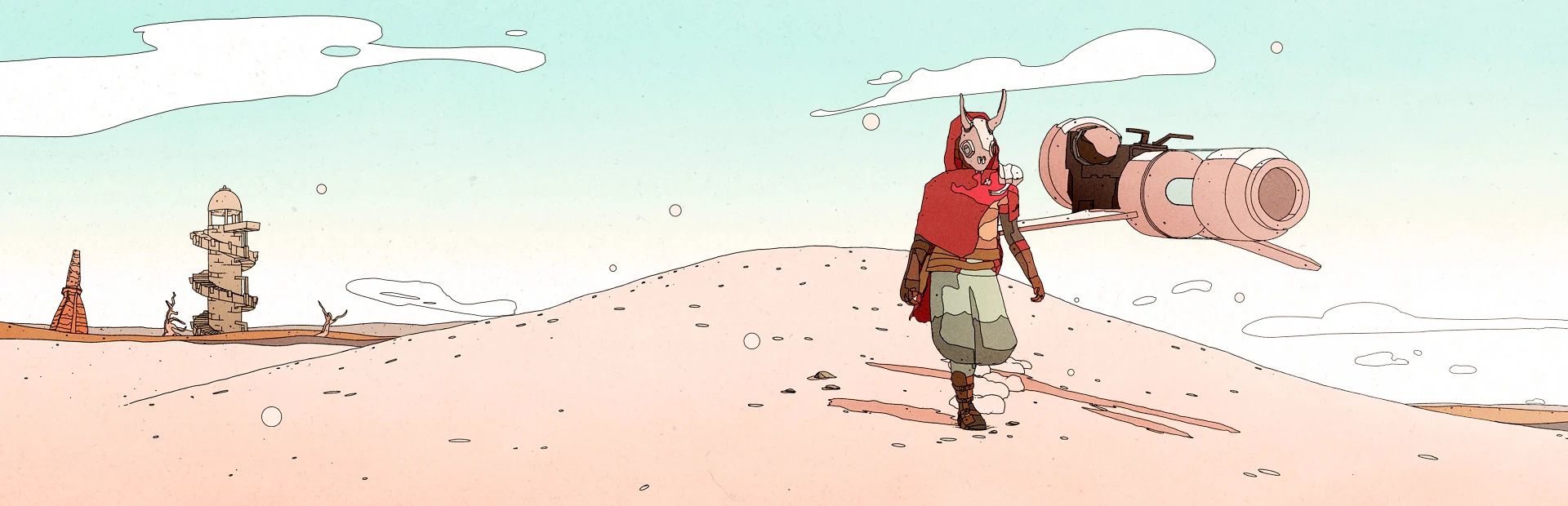
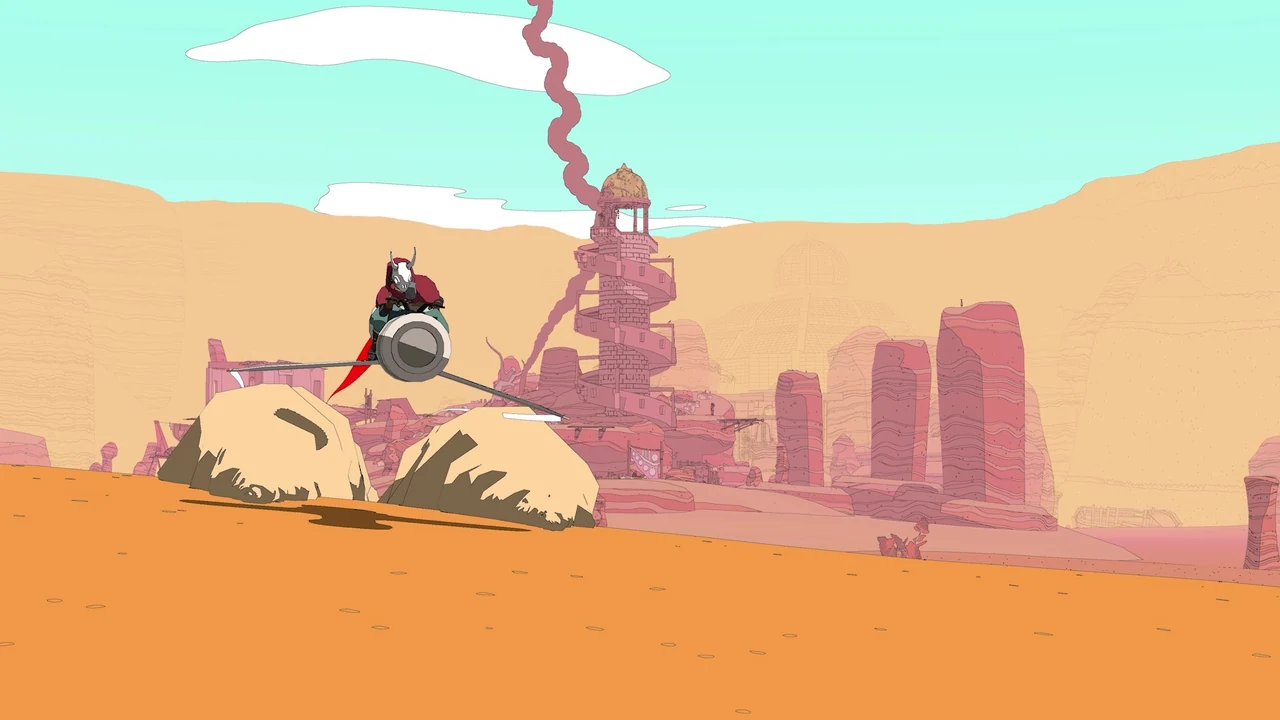
Sable's desert is best understood through the routes you choose across it. Its hoverbike, climbable landmarks and masks turn scenery into an open invitation, with a personal journey taking the place of a constantly urgent campaign.
TRAVEL NOTES
Game facts
- Developer
- Shedworks
- Publisher
- Raw Fury
- Released
- 23 September 2021
- Platforms
- Windows (Steam edition)
- Model
- Paid game
- PEGI
- 3 — Xbox UK edition edition; not a separate PC classification
- Players
- Single-player
- Length
- Short
- Difficulty
- 1 / 5 · Approachable
- Steam Deck
- Verified
PEGI source ↗ · Steam Deck status source ↗
Edition: Base game
The score, explained
The interest and responsiveness of the core decisions and actions.
How progression, exploration and goals fit together.
The coherence of the visual, musical and narrative presentation.
How clearly the game explains its rules and offers useful ways to engage.
The depth of optional goals, alternative approaches and reasons to return.
The First Hours
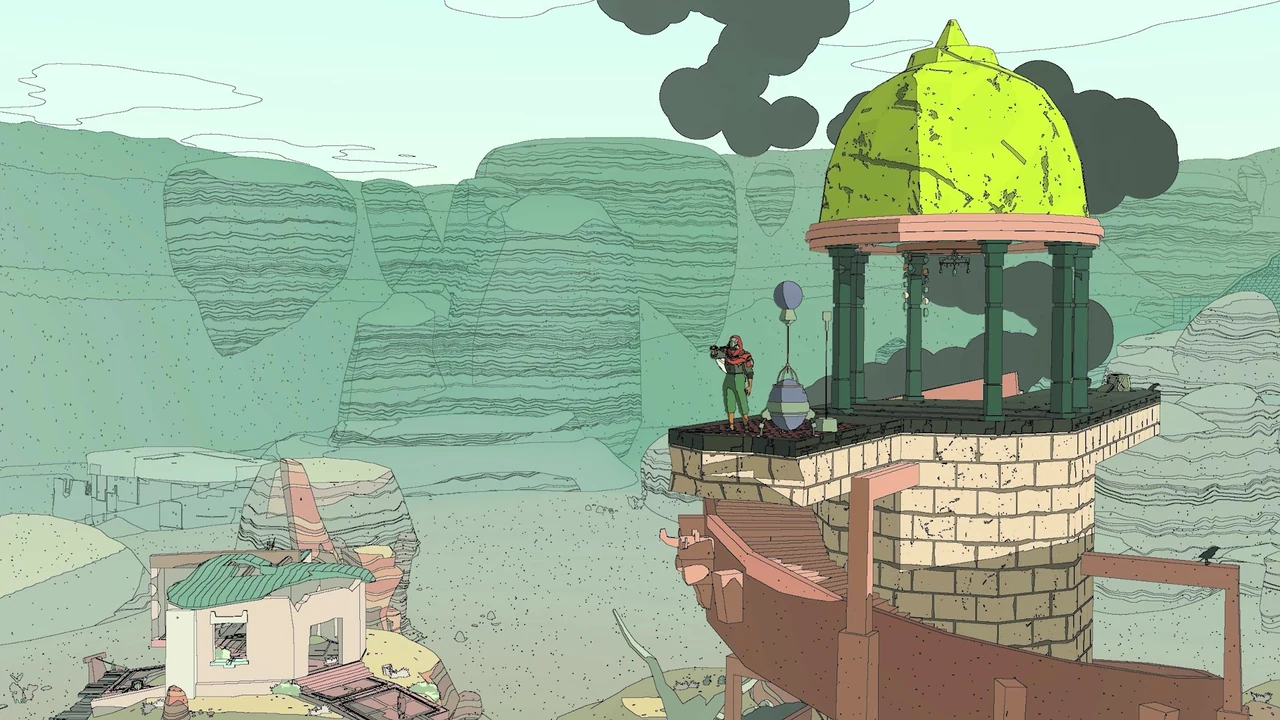
The first stretch of Sable's journey makes the horizon unusually important. A conspicuous building or shape can become a destination simply because it looks interesting, and the hoverbike gives that decision an immediate means of expression. Once you arrive, climbing changes the scale of exploration from crossing open ground to reading the surfaces of a particular structure. Conversations and tasks provide context, while the gliding journey and masks connect discovery to the question of identity. The opening does not establish a constant emergency that every detour must interrupt. Instead, it invites you to decide what deserves a visit. That is the central promise of its desert: the world supplies possibilities, but the sense of an itinerary develops from the landmarks, people and questions that happen to catch your attention.
Why It Works
Its graphic style is effective navigation as well as attractive presentation. Strong outlines and recognisable structures make a distant destination feel distinct before the details can be seen. Travelling there on the bike, then searching for a climbable route, gives the landscape two complementary scales. The same object can first organise a journey across the desert and later become an intimate problem about reaching a ledge. Masks and local stories add another dimension by making places relevant to the traveller's possible identity, rather than only sources of equipment. Sable consequently earns its place in this collection through freedom with a clear visual character. It is a world where choosing to investigate a silhouette can be a meaningful act of progress, even when no urgent objective has demanded that particular investigation.
Where It Stumbles
The open structure depends on the player supplying some momentum. A broad landscape can feel generous when a landmark has captured your interest and strangely empty when none of the available leads seems compelling. Climbing also creates moments of route reading that may be less effortless than the distant view suggests. Without frequent combat, the journey cannot fall back on a steady rhythm of enemies and rewards to fill every stretch between discoveries. These are central qualities rather than minor exceptions. Someone who wants a strongly escalating campaign may find the progress difficult to measure, while a player hoping for constant new mechanics may find that the same movement tools continue to do much of the work. Its freedom is valuable only when choosing a direction is itself enjoyable.
Who Should Play It
Choose Sable if your favourite part of an exploration game is deciding where to go before anybody tells you. It suits a player who can make a personal objective from a distant tower, a curious conversation or an unfamiliar route through a ruin. The coming-of-age context gives those choices an emotional direction without turning them into a rigid schedule. It is not the strongest option when a session needs an immediately obvious next mission or a reliable stream of combat rewards. The attraction here is the relationship between curiosity and distance: the landscape makes a suggestion, the bike makes it reachable and climbing lets you investigate it closely. If that sequence sounds satisfying in its own right, Sable offers a distinctive world in which to follow it.
The verdict
Sable's desert is best understood through the routes you choose across it. Its hoverbike, climbable landmarks and masks turn scenery into an open invitation, with a personal journey taking the place of a constantly urgent campaign.
Reasons to play
- Distant landmarks invite self-directed travel
- Climbing gives dramatic structures a practical purpose
- A strong illustrated identity makes places easy to remember
Reasons to think twice
- Freedom can feel aimless when no destination appeals
- Its quieter exploration lacks the rhythm of frequent combat rewards
See the game
Assist & accessibility
Explore the available settings and control options on the official game page before choosing your setup.
Parents’ guide
Players: Single-player. No in-game purchase marker in the checked Steam listing. Separate downloadable content may be sold.
Age classification: 3. Xbox UK edition edition; not a separate PC classification
A useful starting tip
Choose one visible landmark and investigate it fully before turning the whole desert into a list of competing destinations.
A different direction
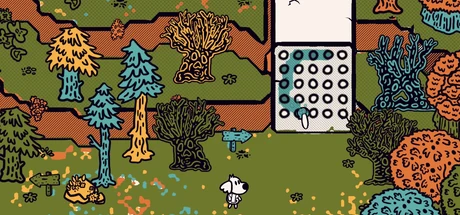
Compare this with Chicory: A Colorful Tale: Chicory makes a landscape feel personal by letting you change its appearance and use those changes to explore. Its brush connects creativity, traversal and a story about artistic pressure with unusual warmth.
Official sources
Reviewed: November 2026
You might also like
 TUNICRead review →
 Ori and the Will of the WispsRead review →
 Chicory: A Colorful TaleRead review →