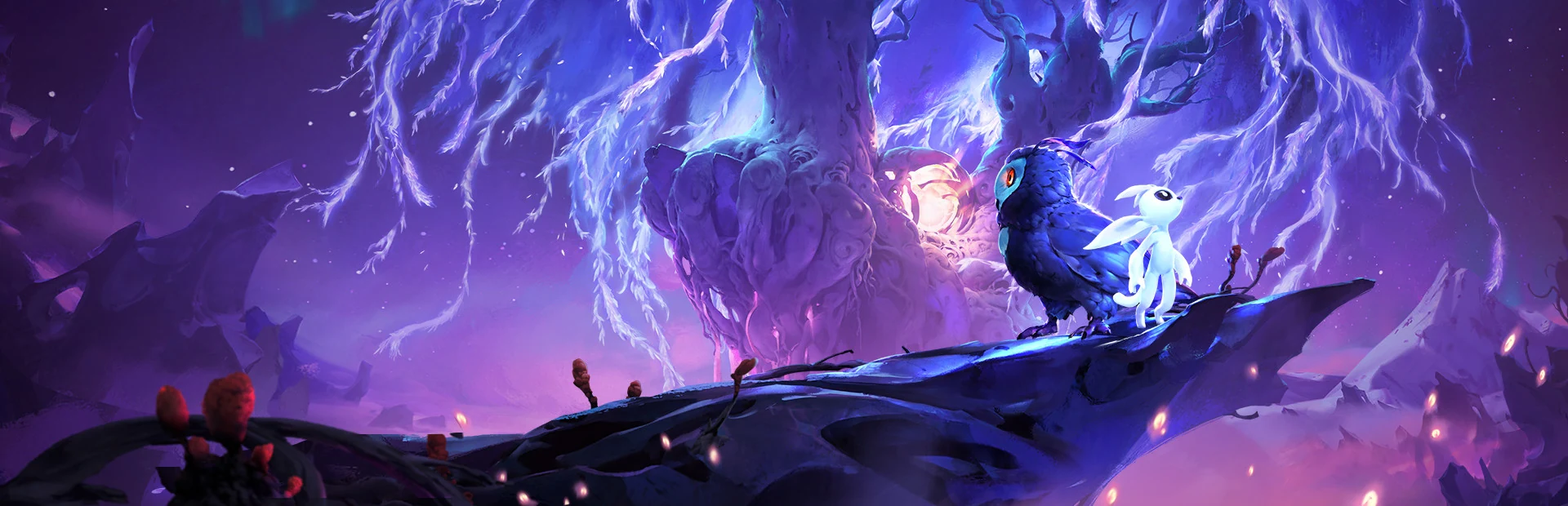
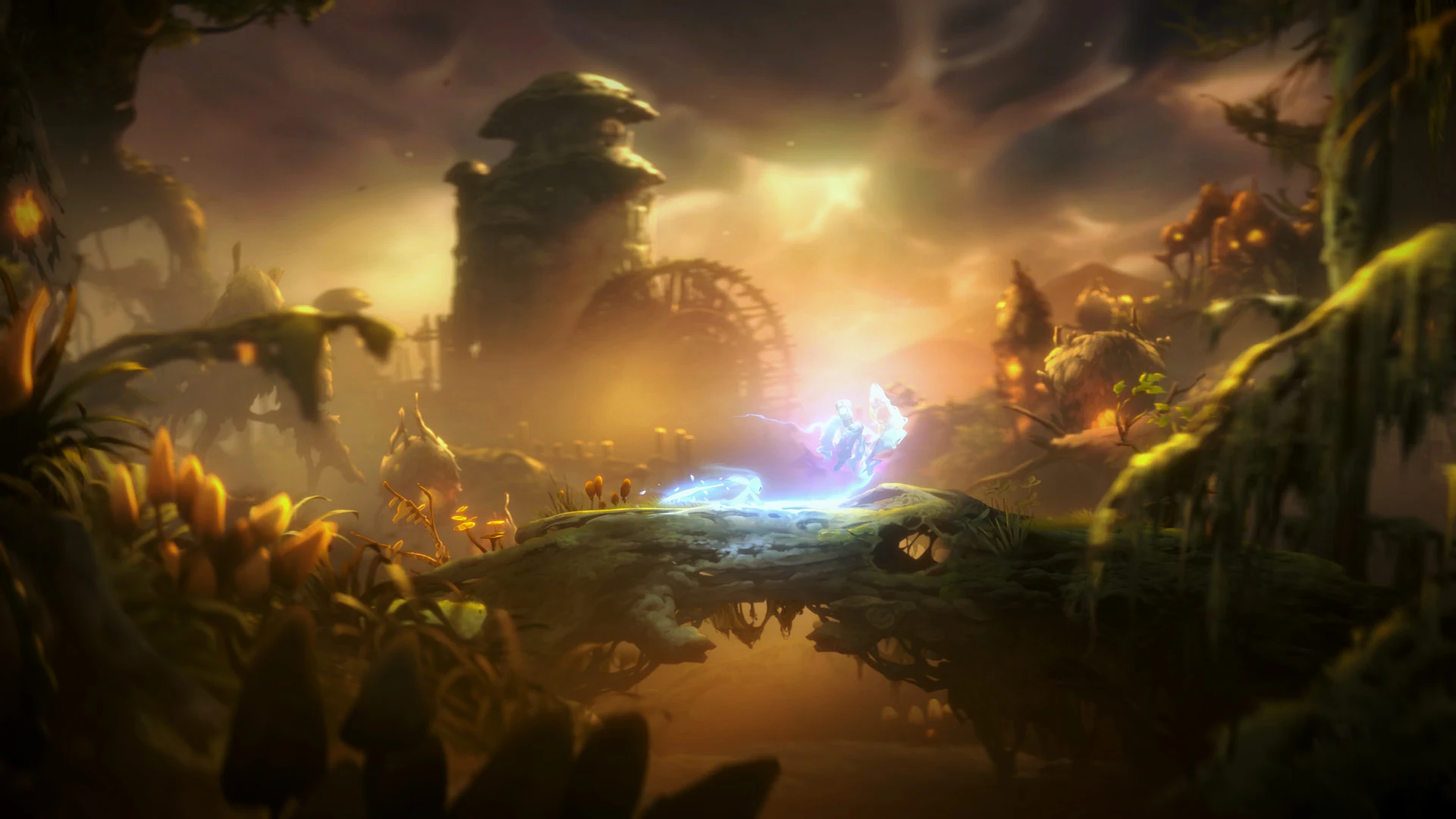
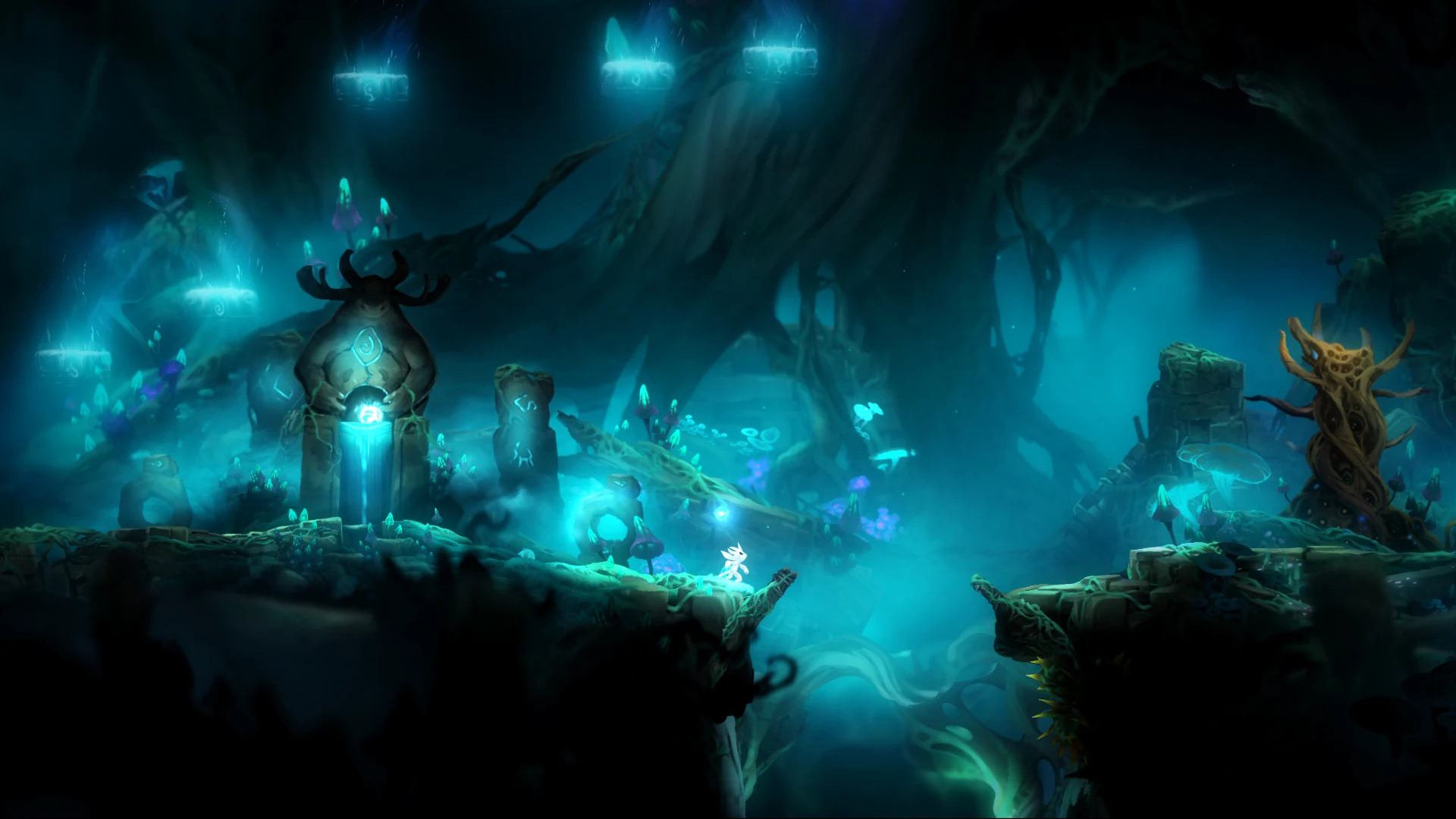
Niwen's scenery is most impressive when you are moving through it. Ori and the Will of the Wisps connects its luminous landscapes to a generous movement toolkit, making new abilities feel like new ways to inhabit the world.
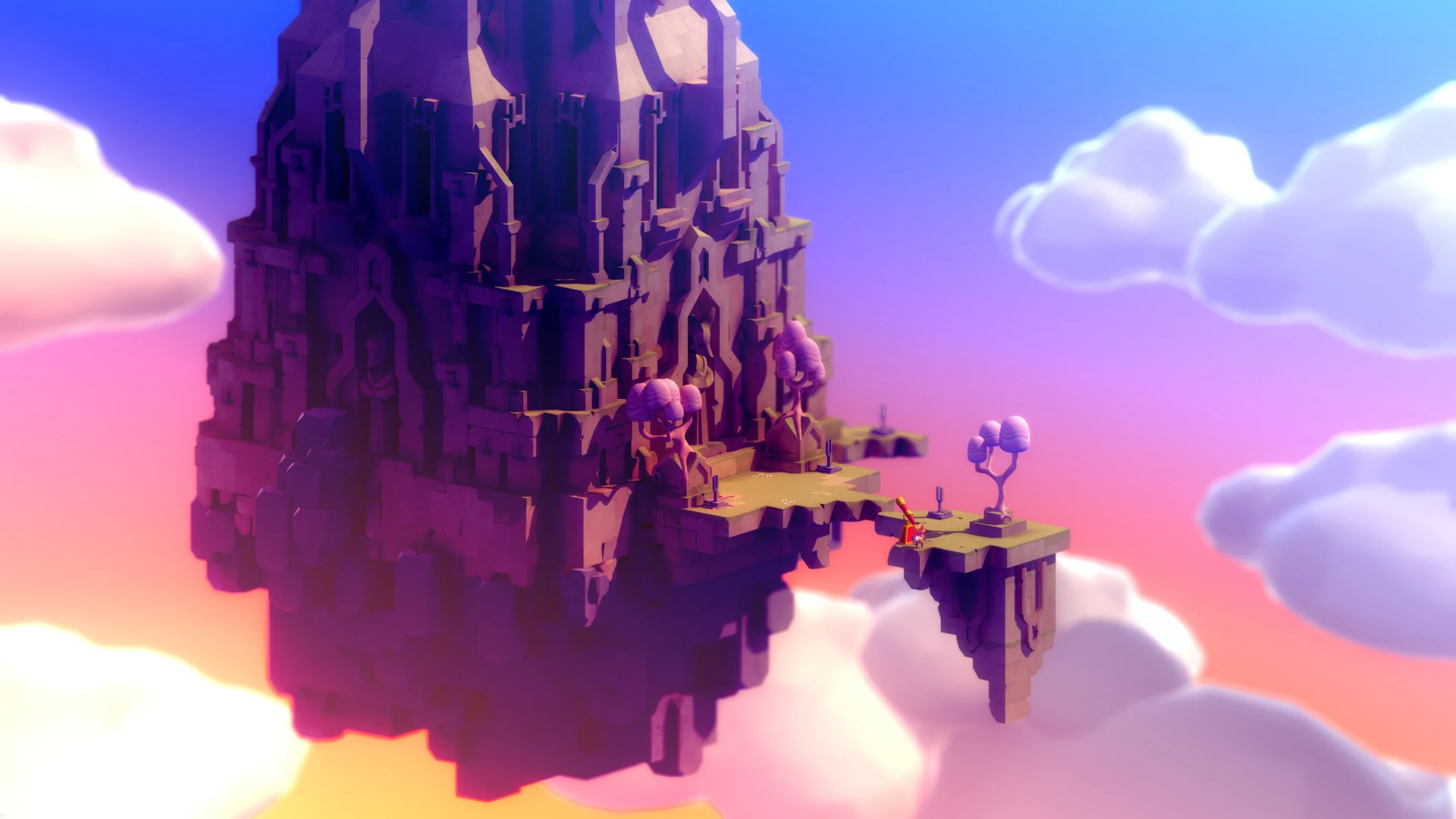
TUNIC turns an attractive little world into a place whose rules must be discovered. Its strongest vistas invite a second reading, with manual pages and hidden routes gradually changing what familiar scenery means.
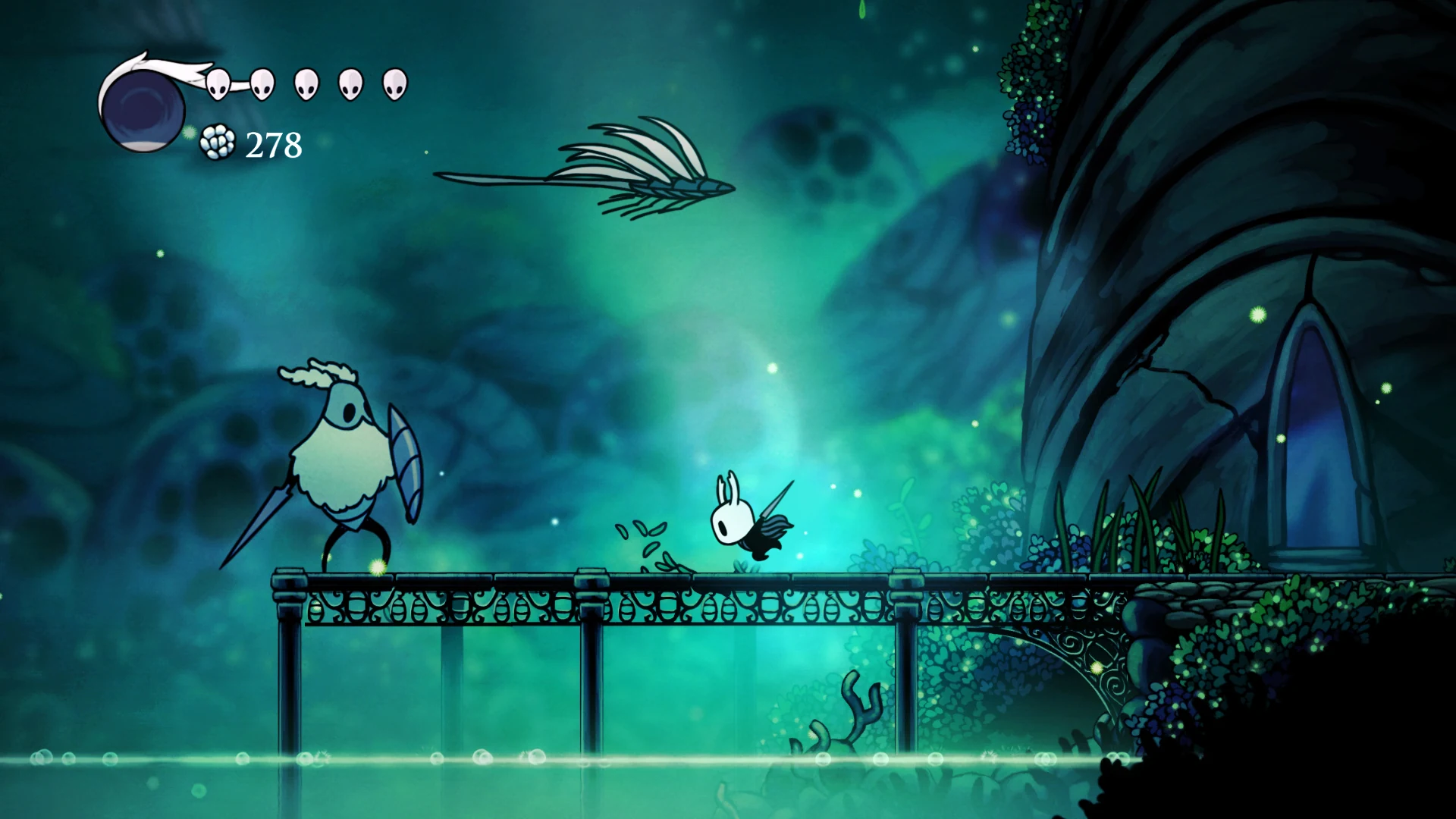
Hallownest is compelling because its beauty is navigable: a view, a shortcut and a difficult encounter often describe the same place. Hollow Knight rewards explorers who are willing to build their own understanding of that geography.
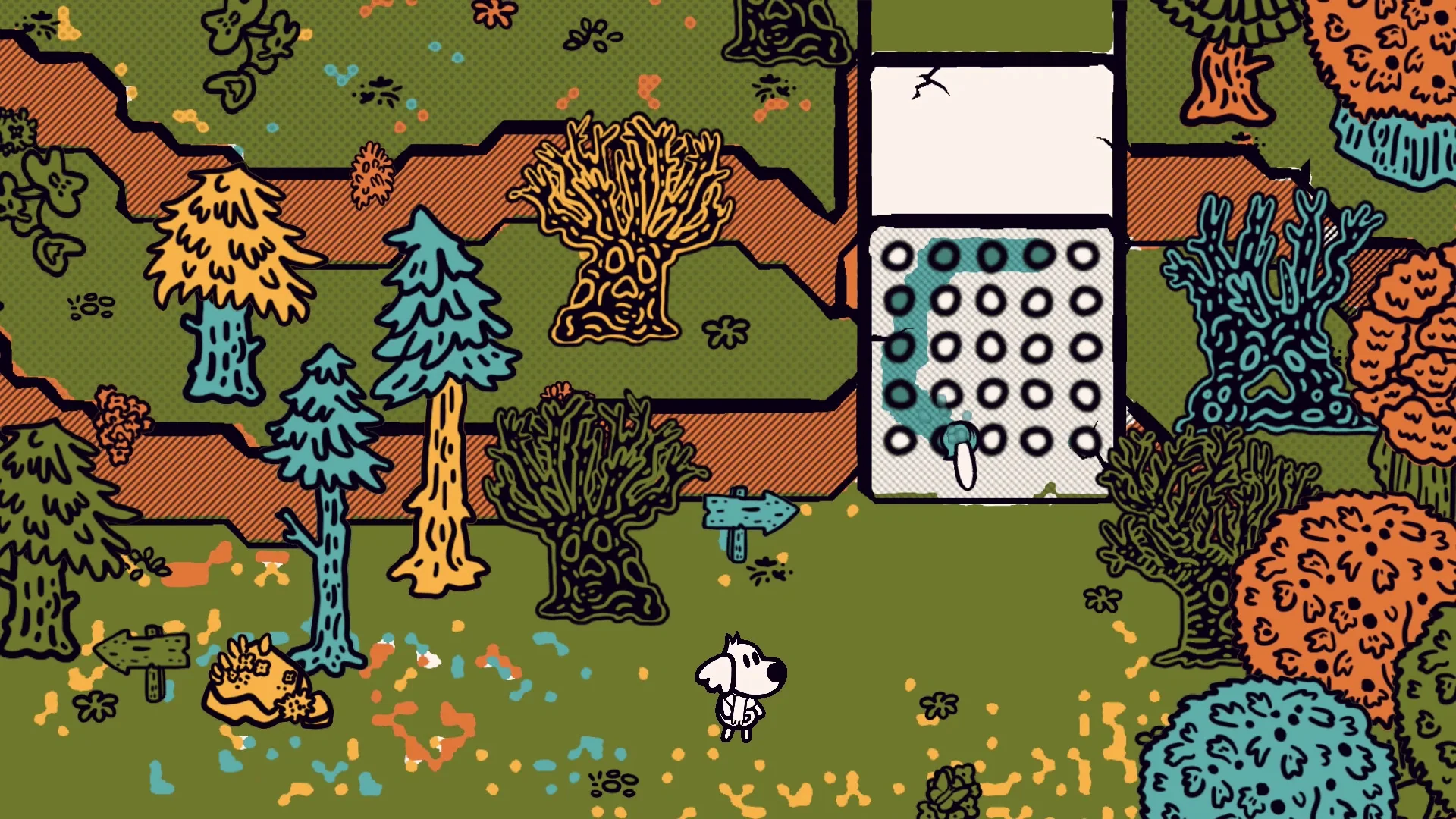
Chicory makes a landscape feel personal by letting you change its appearance and use those changes to explore. Its brush connects creativity, traversal and a story about artistic pressure with unusual warmth.
Ori’s Definitive Edition suits players who want expressive movement, connected exploration and a clearly defined story. The connected map and movement abilities give its illustrated landscapes a strong sense of purpose.
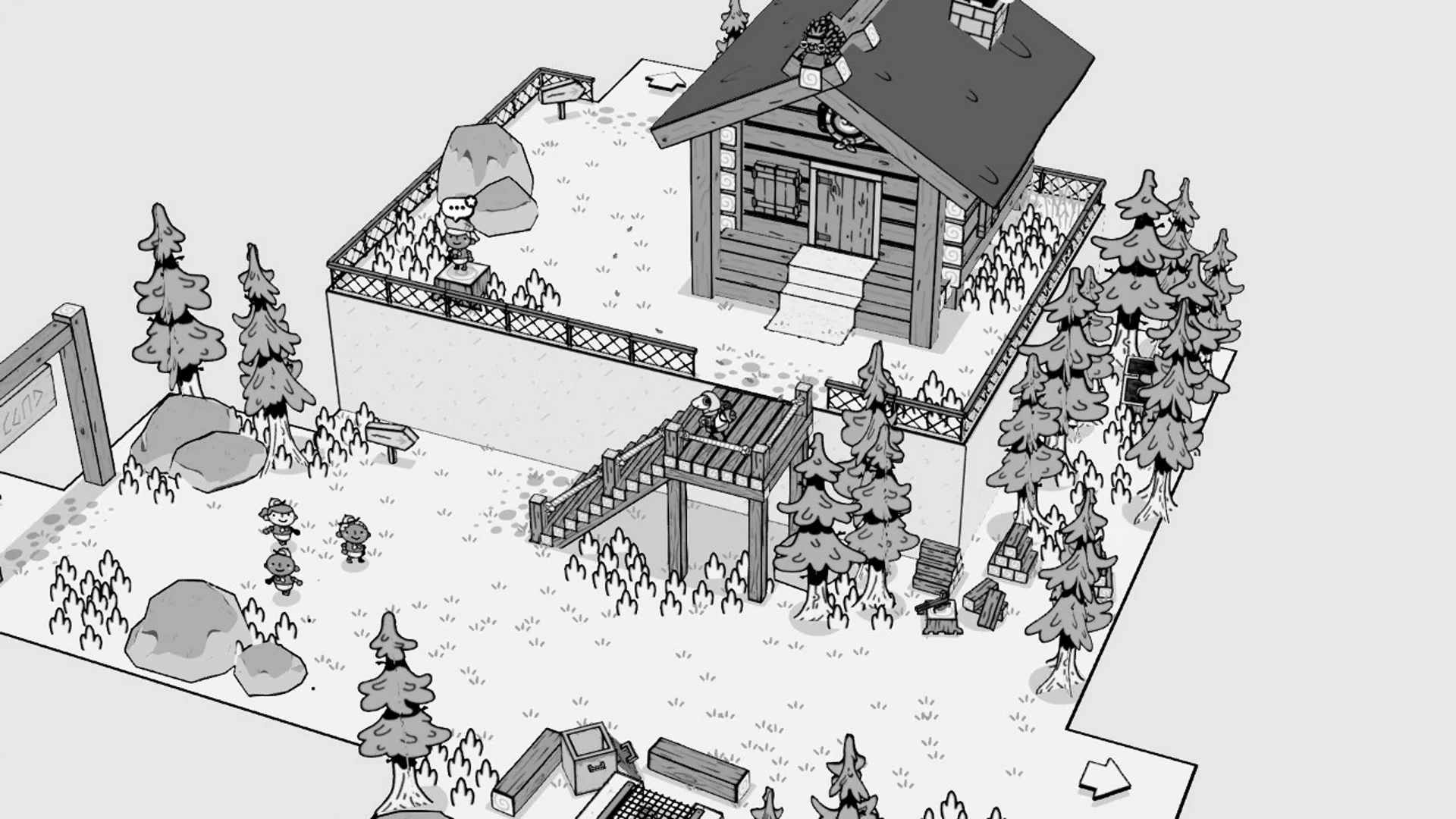
TOEM makes a small world worth examining by giving observation a practical purpose. Its camera transforms overlooked corners into destinations, and the monochrome scenes stay readable while offering plenty to notice.
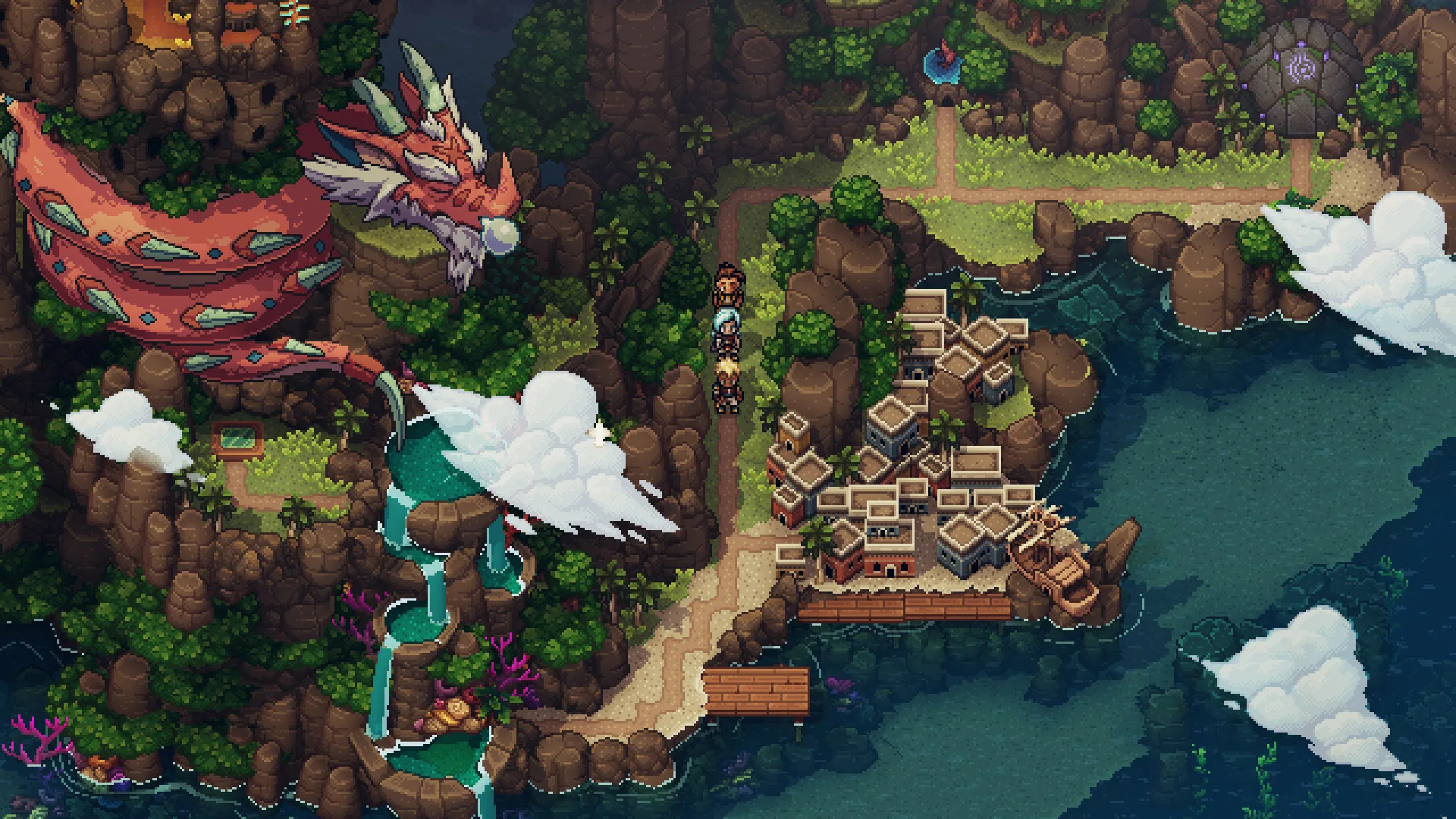
Choose Sea of Stars for a structured turn-based adventure with timing-based combat and detailed pixel art. Detailed pixel art supports a structured party adventure whose timed combat keeps turns active.
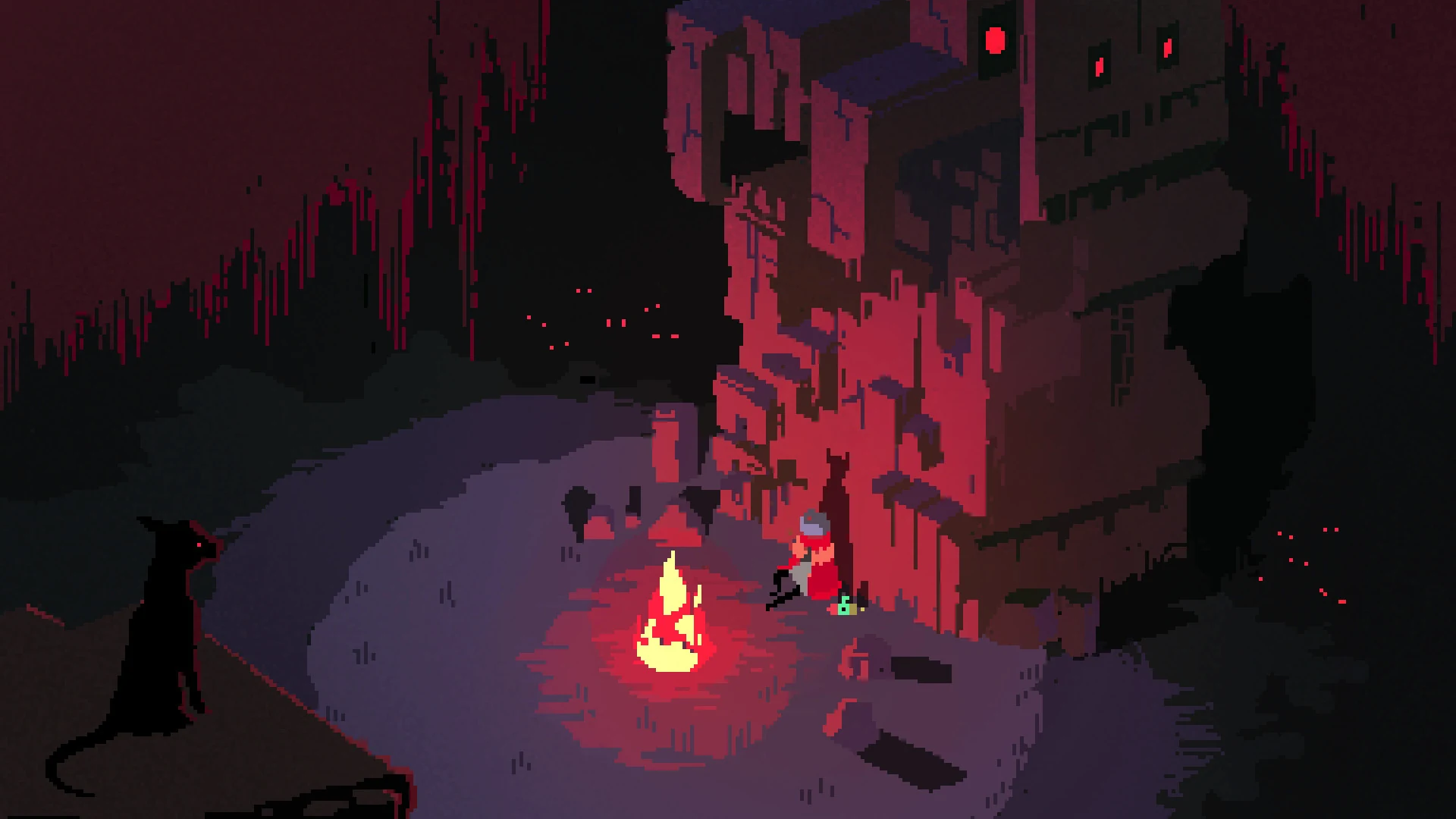
Hyper Light Drifter makes its ruins feel significant before it explains them. The world rewards visual interpretation and careful exploration, while hard-edged combat ensures that entering a beautiful place is never merely a passive visit.
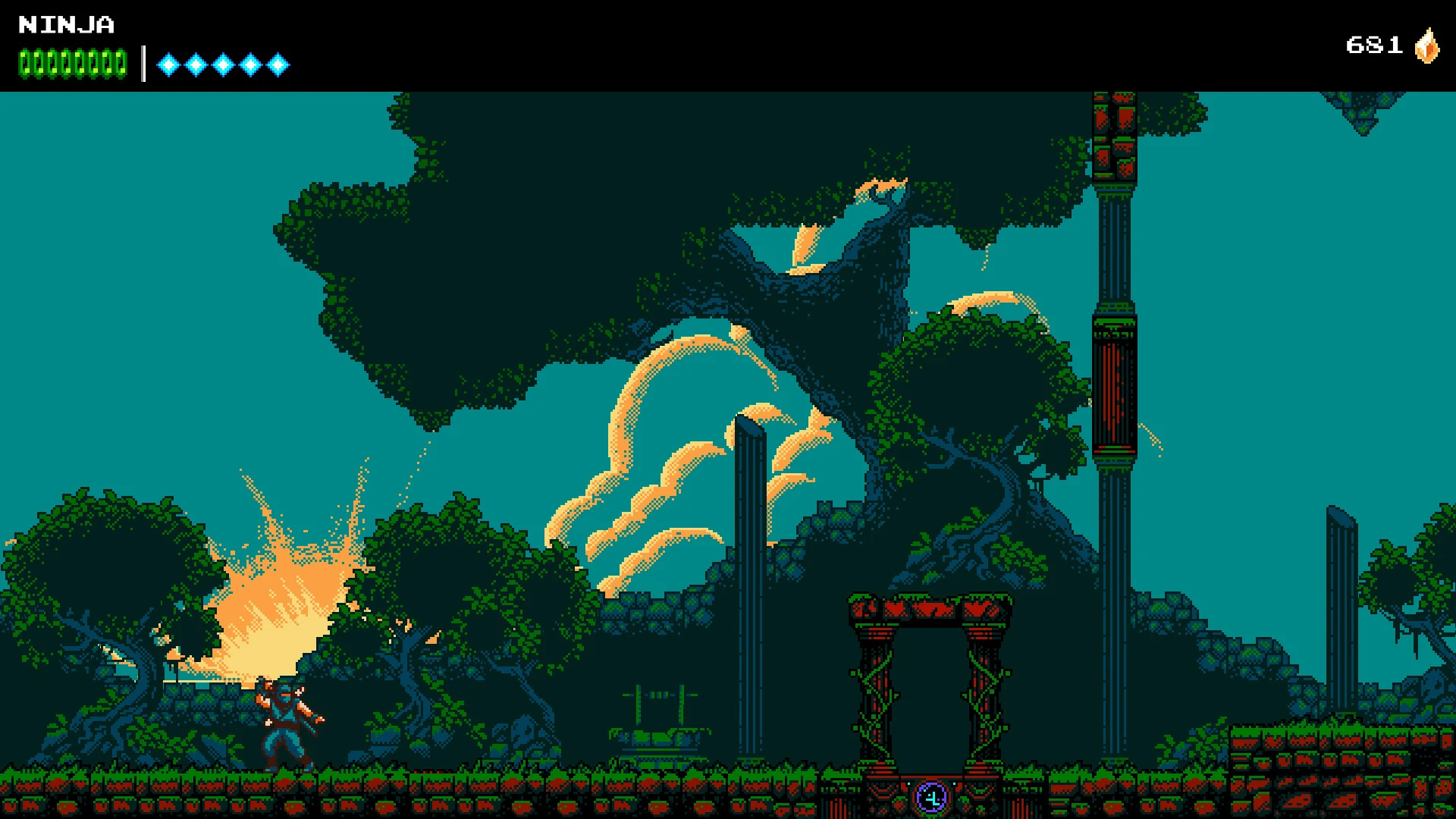
A nimble platform adventure whose shifting structure rewards more than straightforward stage clearing. The shift between visual eras accompanies a changing adventure structure, giving the presentation a practical role.
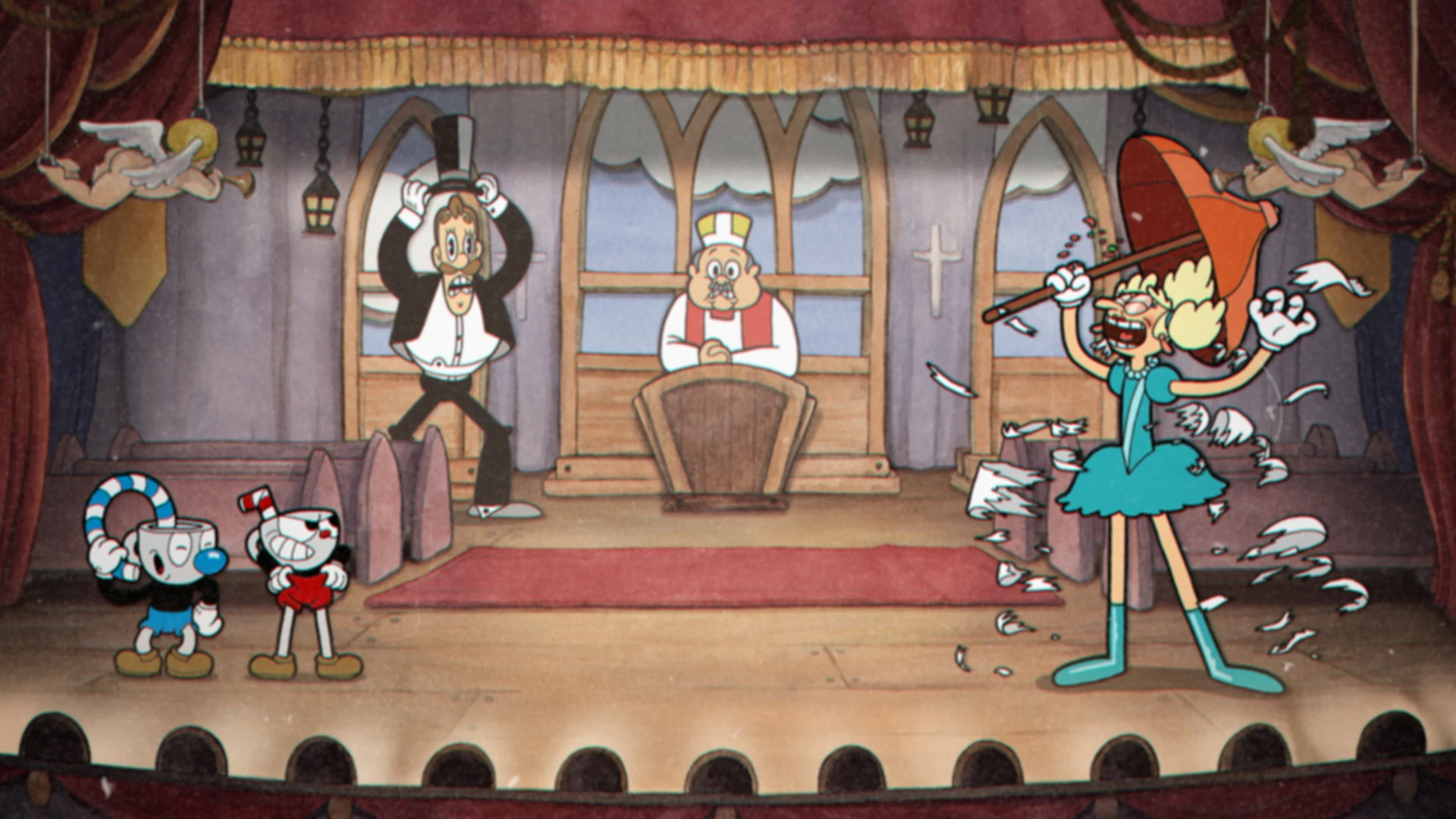
Cuphead's islands are a gallery of encounters rather than a world built for wandering. Each boss transforms animation into a place you must learn to navigate, making spectacle and precise movement inseparable.
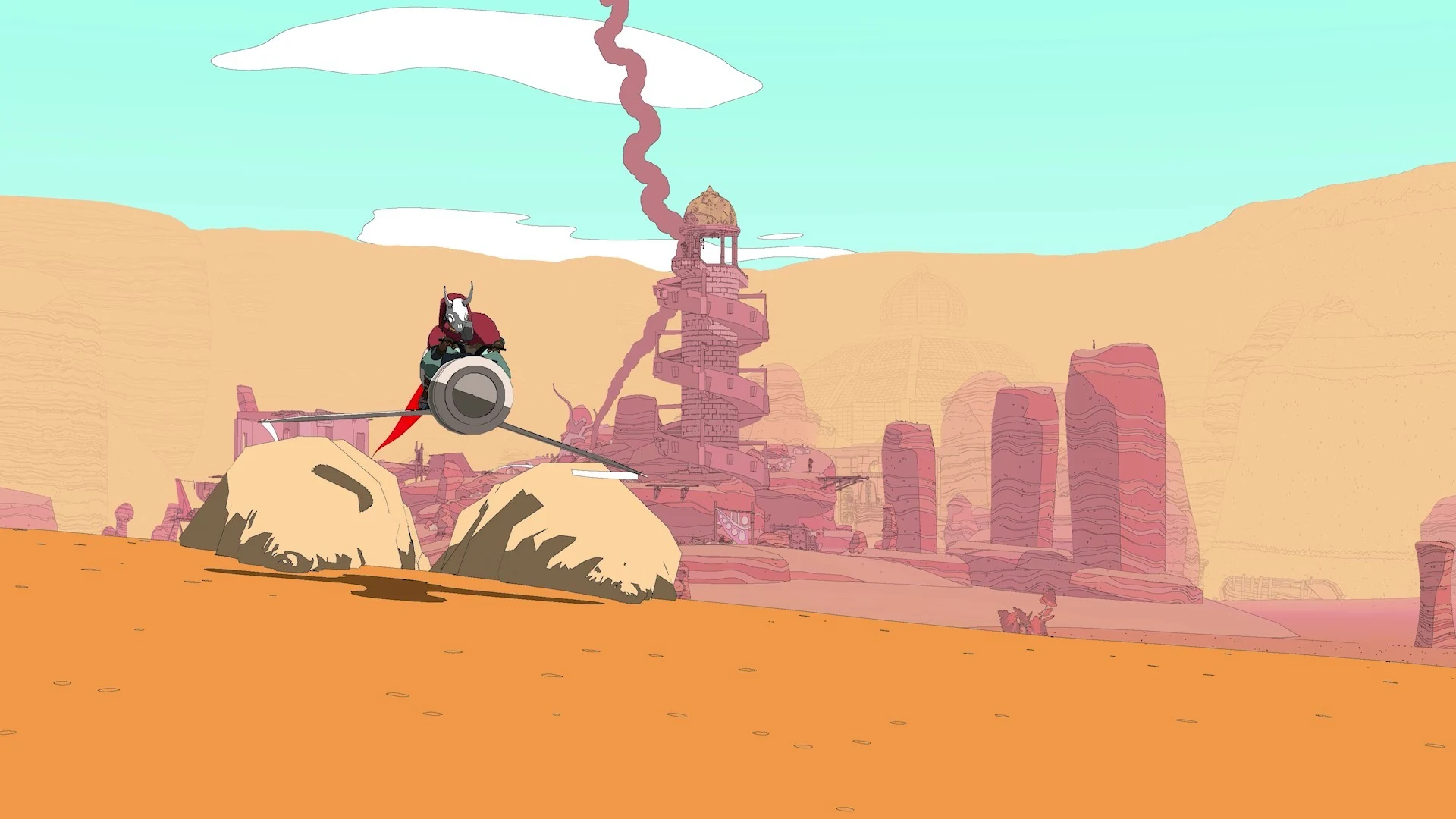
Sable's desert is best understood through the routes you choose across it. Its hoverbike, climbable landmarks and masks turn scenery into an open invitation, with a personal journey taking the place of a constantly urgent campaign.
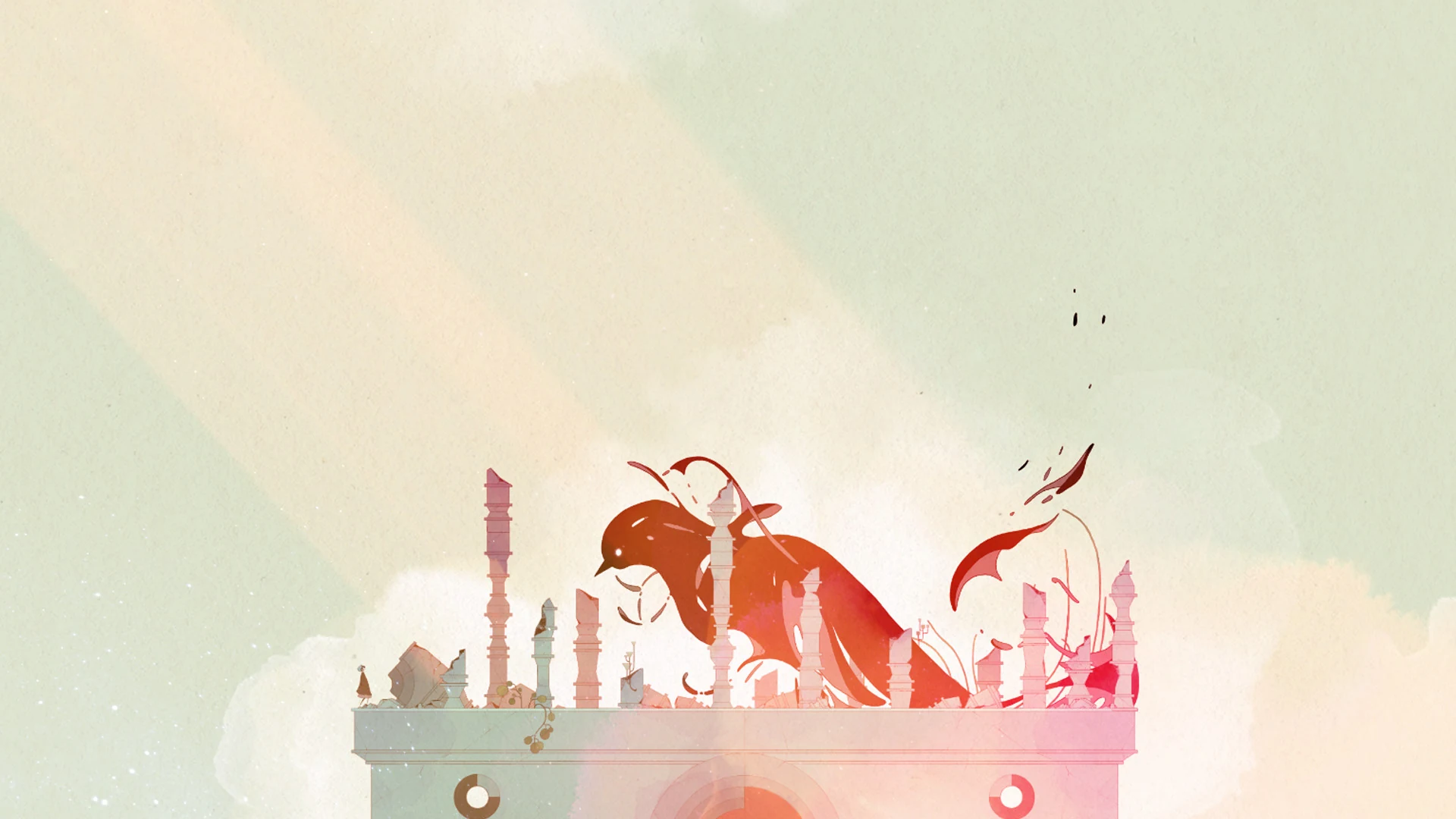
GRIS gives a short journey a strong visual progression, using colour and changing movement to make each region feel like another stage of an emotional landscape. It is best approached for atmosphere and composition rather than sustained mechanical challenge.
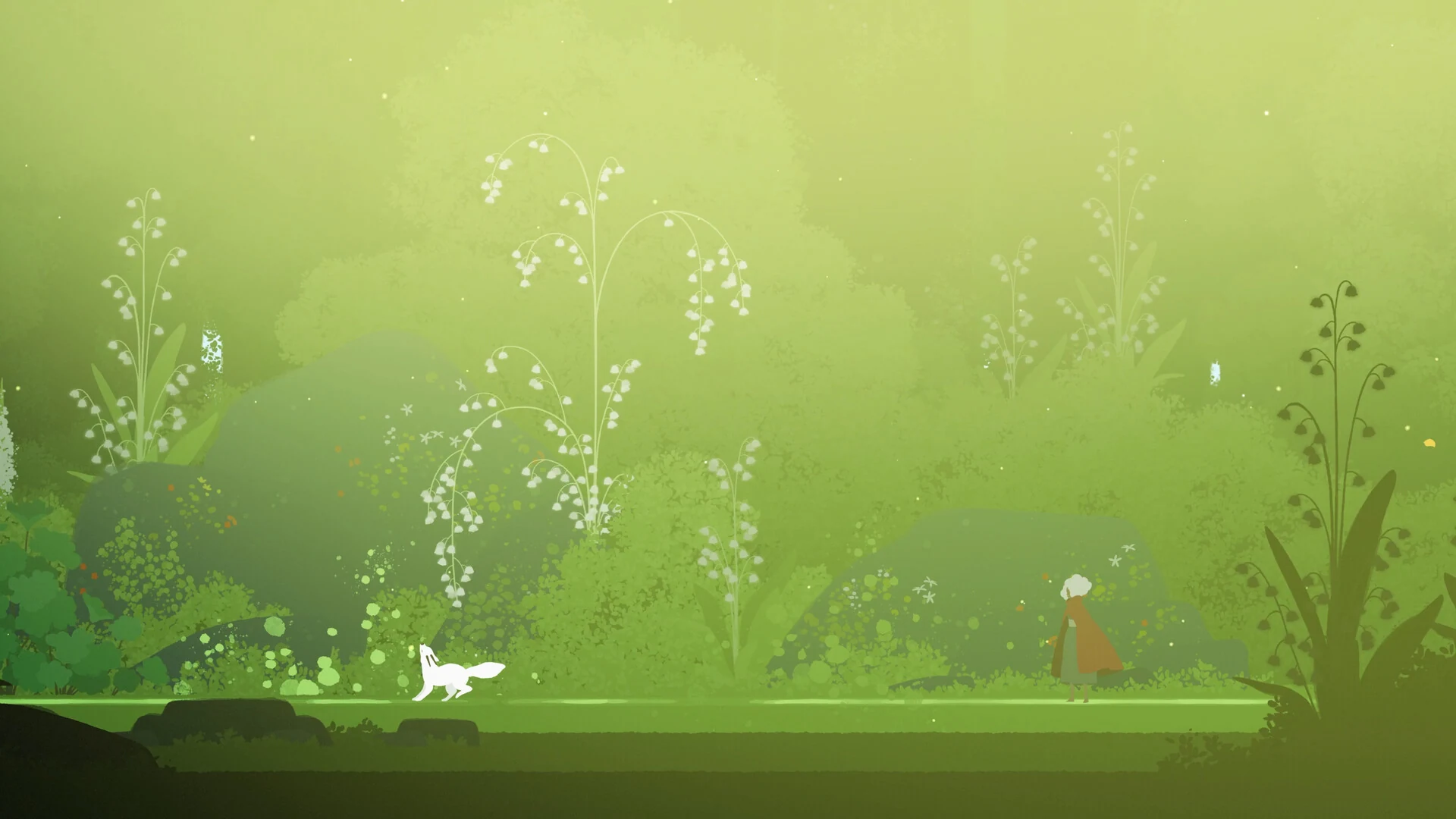
Neva uses its changing companion relationship to give a visually striking journey direction. The landscapes are memorable because movement, danger and the wolf's growth keep altering how the two travellers occupy them.