
THE DESTINATION / Platformer
Ori and the Will of the Wisps
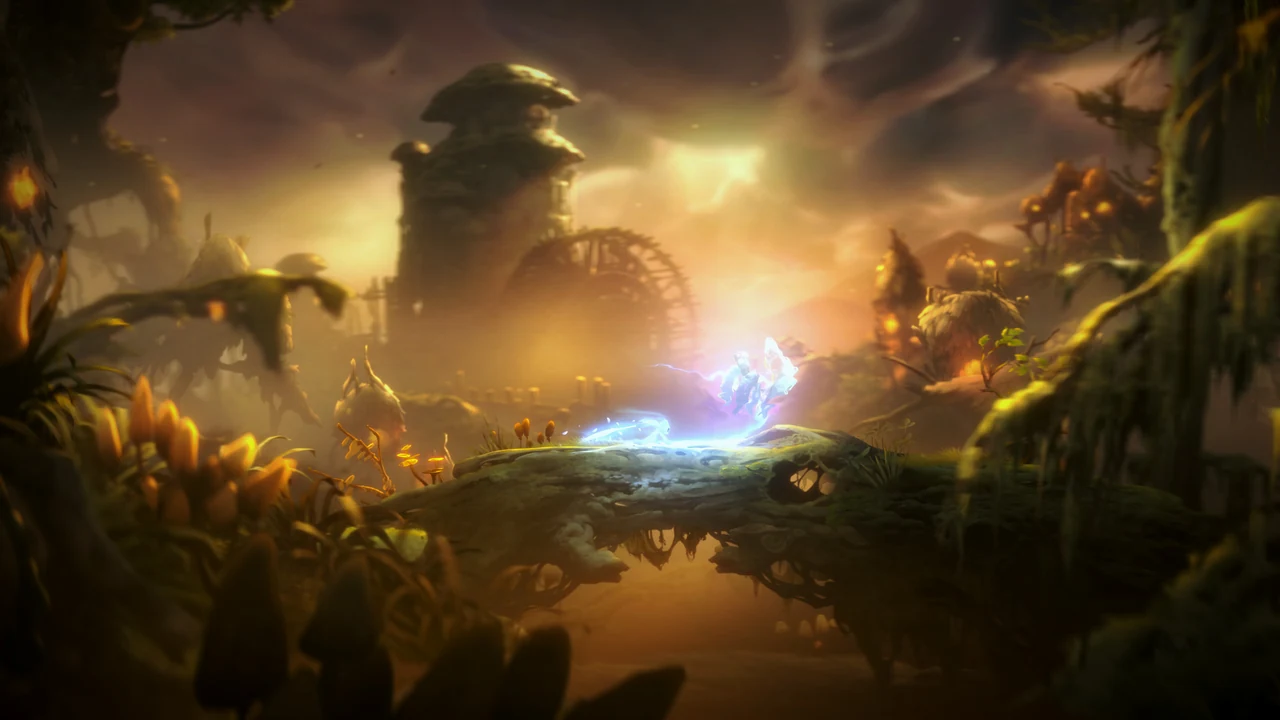
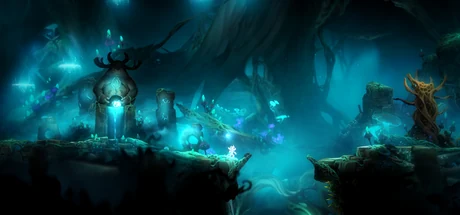
Niwen's scenery is most impressive when you are moving through it. Ori and the Will of the Wisps connects its luminous landscapes to a generous movement toolkit, making new abilities feel like new ways to inhabit the world.
TRAVEL NOTES
Game facts
- Developer
- Moon Studios GmbH
- Publisher
- Xbox Game Studios
- Released
- 10 March 2020
- Platforms
- Windows (Steam edition)
- Model
- Paid game
- PEGI
- 7 · Fear, Violence — Steam UK listing
- Players
- Single-player
- Length
- Medium
- Difficulty
- 3 / 5 · Movement precision and combat; ability learning shapes progress
- Steam Deck
- Playable
PEGI source ↗ · Steam Deck status source ↗
Edition: Base game
The score, explained
The interest and responsiveness of the core decisions and actions.
How progression, exploration and goals fit together.
The coherence of the visual, musical and narrative presentation.
How clearly the game explains its rules and offers useful ways to engage.
The depth of optional goals, alternative approaches and reasons to return.
The First Hours
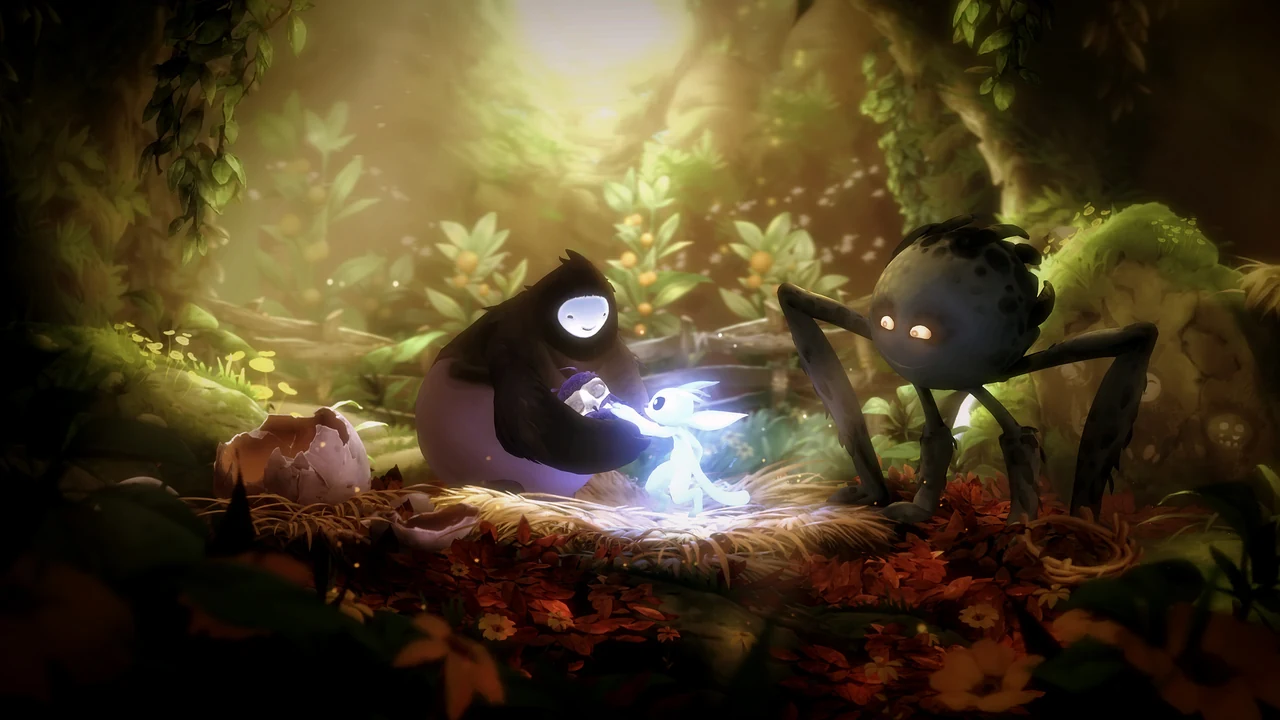
Ori and the Will of the Wisps introduces Niwen through movement, danger and a small personal story. The early areas make ordinary jumps and attacks useful before the broader traversal toolkit begins to change how a room can be crossed. Combat is more directly equipped than a simple automatic response: different offensive options let you think about reach and timing, while movement remains essential to staying safe. The landscape continually places something interesting above, beyond or beneath the immediate path. This gives the opening a clear exploratory promise. You can appreciate a view now and still have a reason to return when another ability makes part of it accessible. The result is a world whose visual density invites questions about routes, rather than merely providing a decorative frame for the route already marked.
Why It Works
The movement systems make the scenery feel elastic. Bash, grappling and other traversal abilities can turn a sequence of hazards or anchors into a flowing route, while different regions encourage different combinations of those actions. The world is attractive in still images, but its most distinctive quality is how much more expressive it becomes when those abilities are connected. Combat and character options add decisions without replacing that central pleasure. New access also gives the map a changing meaning: a familiar obstacle can become part of a shortcut or a route to something previously overlooked. The art direction supports the structure by making regions visually memorable. Niwen is not simply a succession of beautiful backdrops; its visual identities help organise an increasingly capable traveller's understanding of the journey.
Where It Stumbles
The same movement that makes exploration expressive can also become demanding. Escape sequences and concentrated hazards ask for quick decisions, so a player approaching the world as a quiet place to wander will encounter changes of pace that cannot be ignored. The wider set of abilities also means that an awkward route may require remembering which action fits a particular surface or situation. Some of that uncertainty is enjoyable discovery, but it can become frustrating when combined with repeated failure. Readers who mainly want a large combat-build system should also recognise where the emphasis remains. Weapons and options enrich the journey, yet traversal and the connected world are still the reasons to choose it. The adventure is at its strongest when movement itself is part of the attraction.
Who Should Play It
This is a natural choice for players who want an exploration game to feel expressive in their hands. Enjoying a landscape is only the starting point; the real appeal is discovering how a new ability lets you cross it differently. It suits someone who likes connected maps, memorable regions and a defined story, while accepting that the journey includes demanding passages. Choose a gentler scenic adventure if repeated movement attempts would repeatedly spoil the atmosphere for you. Choose Ori when that challenge can make the next clean sequence of jumps, launches and landings more satisfying. Within this atlas, its distinction is the close relationship between beauty and capability: the world becomes more rewarding because you learn additional ways to move through what you can already see.
The verdict
Niwen's scenery is most impressive when you are moving through it. Ori and the Will of the Wisps connects its luminous landscapes to a generous movement toolkit, making new abilities feel like new ways to inhabit the world.
Reasons to play
- Traversal abilities give the scenery practical depth
- Regions ask for different combinations of movement
- Combat choices broaden the adventure without displacing exploration
Reasons to think twice
- Intense sequences can interrupt a relaxed exploratory mood
- Some routes demand precise timing as well as curiosity
See the game
Assist & accessibility
Explore the available settings and control options on the official game page before choosing your setup.
Parents’ guide
Players: Single-player. No in-game purchase marker in the checked Steam listing. Separate downloadable content may be sold.
Age classification: 7. Fear · Violence Steam UK listing
A useful starting tip
Practise chaining movement abilities in a safe area before committing to a difficult optional route.
A different direction
Compare this with Cuphead: Cuphead's islands are a gallery of encounters rather than a world built for wandering. Each boss transforms animation into a place you must learn to navigate, making spectacle and precise movement inseparable.
Official sources
Reviewed: November 2026
You might also like
 TUNICRead review →
 Chicory: A Colorful TaleRead review →
 Ori and the Blind Forest: Definitive EditionRead review →