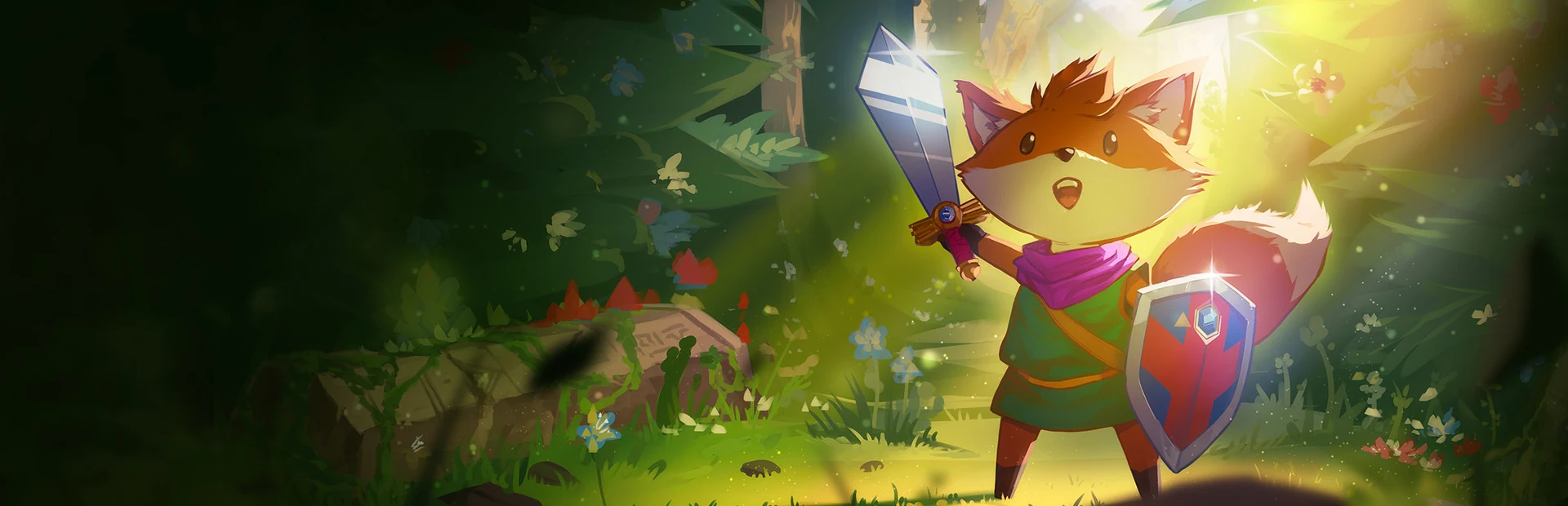
THE DESTINATION / Action adventure
TUNIC
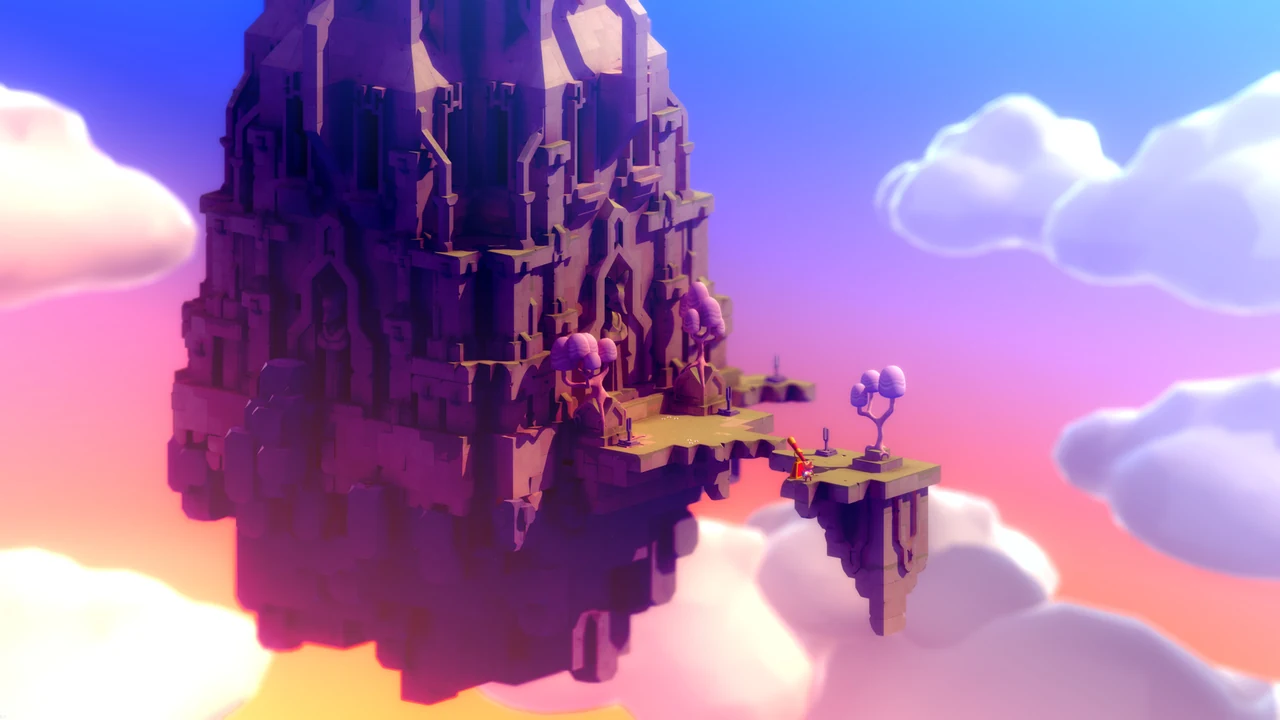
TUNIC turns an attractive little world into a place whose rules must be discovered. Its strongest vistas invite a second reading, with manual pages and hidden routes gradually changing what familiar scenery means.
TRAVEL NOTES
Game facts
- Developer
- TUNIC Team
- Publisher
- Finji
- Released
- 16 March 2022
- Platforms
- Windows · macOS (Steam edition)
- Model
- Paid game
- PEGI
- 7 — Nintendo Switch download edition edition; not a separate PC classification
- Players
- Single-player
- Length
- Medium
- Difficulty
- 4 / 5 · Challenging
- Steam Deck
- Verified
PEGI source ↗ · Steam Deck status source ↗
Edition: Base game
The score, explained
The interest and responsiveness of the core decisions and actions.
How progression, exploration and goals fit together.
The coherence of the visual, musical and narrative presentation.
How clearly the game explains its rules and offers useful ways to engage.
The depth of optional goals, alternative approaches and reasons to return.
The First Hours
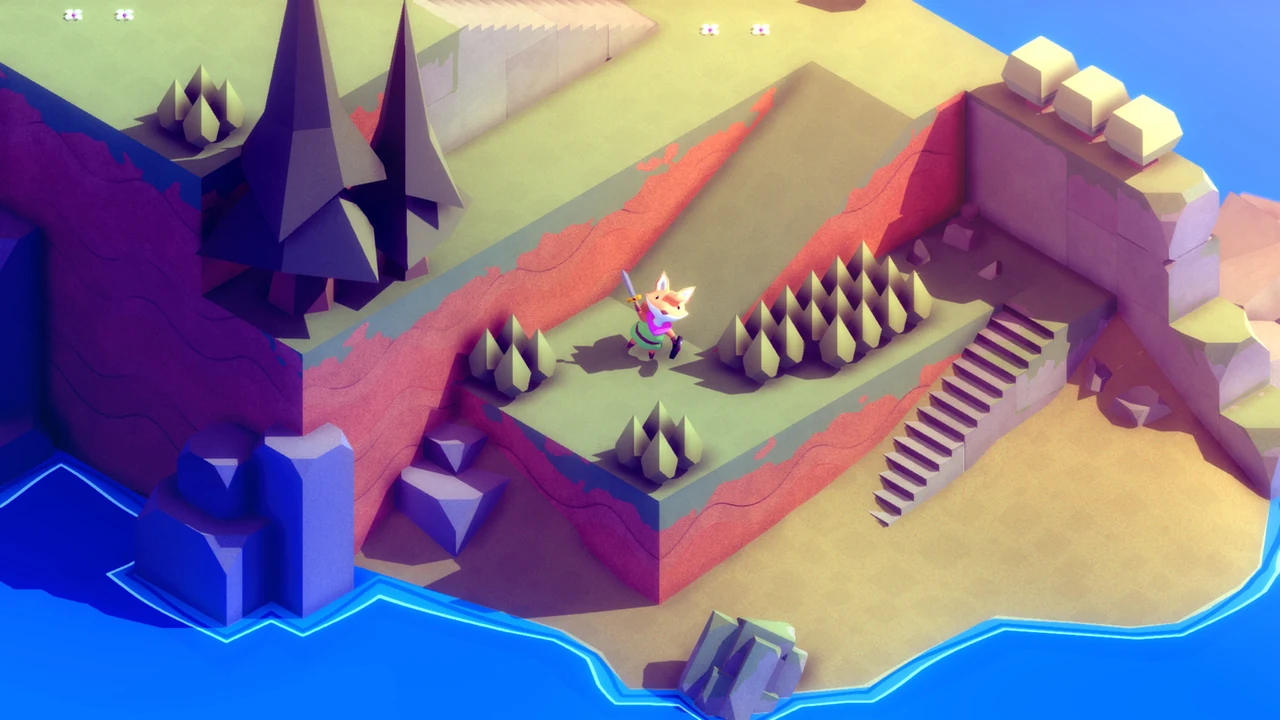
TUNIC first presents a small fox, an inviting landscape and several practical questions about how to get further. A basic tool or weapon can solve an immediate obstacle, but the more distinctive discoveries arrive through fragments of an illustrated manual. They suggest rules, maps and relationships without always translating every detail into a direct instruction. As you move between landmarks, familiar adventure conventions provide a starting point, then the game encourages closer inspection of the things those conventions leave unexplained. The opening world is attractive enough to invite wandering, yet its paths and viewpoints are deliberately suggestive. A hidden turn or apparently decorative mark may deserve attention. Progress begins to feel like learning to read the environment as much as acquiring the equipment needed to cross it.
Why It Works
The manual is effective because it belongs to the same act of exploration as the landscape. A newly found page can make an earlier location interesting again, while something noticed outdoors can clarify a diagram that previously seemed obscure. TUNIC benefits from a compact world in which those connections can be revisited and tested. Its fixed viewpoints also make visibility a design tool: what a structure conceals can matter as much as what it prominently displays. Combat gives many discoveries an immediate practical setting, but knowledge often has a more lasting effect than another improvement to the fox's capabilities. The world becomes richer through interpretation. A place that initially seemed like a straightforward adventure setting gradually reveals how carefully its appearance, routes and instructions have been arranged together.
Where It Stumbles
Deliberate obscurity can cross the line from inviting to frustrating when a clue does not suggest a useful next question. You may revisit a familiar area with the right information without recognising how the two connect. The manual's appeal depends on enjoying that gap between finding evidence and understanding it. Combat adds a separate demand, requiring attention to movement, stamina and openings even when your main interest is solving the surrounding mysteries. A difficult encounter can consequently interrupt a promising train of thought. The visual charm should not be mistaken for a guarantee of an uncomplicated journey. TUNIC asks for patience with both incomplete explanations and physical danger, and a player who enjoys only one of those demands may find the other regularly competing for attention.
Who Should Play It
Choose TUNIC if discovering how a world works is more exciting than being given a complete set of instructions at the start. It suits players who examine maps, revisit suspicious landmarks and enjoy a revelation that changes their interpretation of something already seen. The illustrated landscape offers a memorable setting for that curiosity, but the appeal is deeper than its appearance. Someone wanting a mostly guided adventure with clearly announced objectives may prefer a different destination. TUNIC is strongest when you are willing to keep an unanswered question in mind while exploring elsewhere. Its small world then gains a sense of scale through meaning: the important discovery is often not another large region, but a new way to understand the region that has been in front of you all along.
The verdict
TUNIC turns an attractive little world into a place whose rules must be discovered. Its strongest vistas invite a second reading, with manual pages and hidden routes gradually changing what familiar scenery means.
Reasons to play
- Landmarks become more meaningful as knowledge grows
- Manual fragments connect visual clues across the world
- Compact geography rewards careful revisiting
Reasons to think twice
- Withheld information can make a route feel opaque
- Combat pressure can interrupt patient observation
See the game
Assist & accessibility
Explore the available settings and control options on the official game page before choosing your setup.
Parents’ guide
Players: Single-player. No in-game purchase marker in the checked Steam listing. Separate downloadable content may be sold.
Age classification: 7. Nintendo Switch download edition edition; not a separate PC classification
A useful starting tip
Revisit a collected manual page after making a discovery; an illustration that looked decorative may now contain a useful instruction.
A different direction
Compare this with Hyper Light Drifter: Hyper Light Drifter makes its ruins feel significant before it explains them. The world rewards visual interpretation and careful exploration, while hard-edged combat ensures that entering a beautiful place is never merely a passive visit.
Official sources
Reviewed: November 2026
You might also like
 Ori and the Will of the WispsRead review →
 Chicory: A Colorful TaleRead review →
 Ori and the Blind Forest: Definitive EditionRead review →