THE DESTINATION / Adventure
TOEM: A Photo Adventure
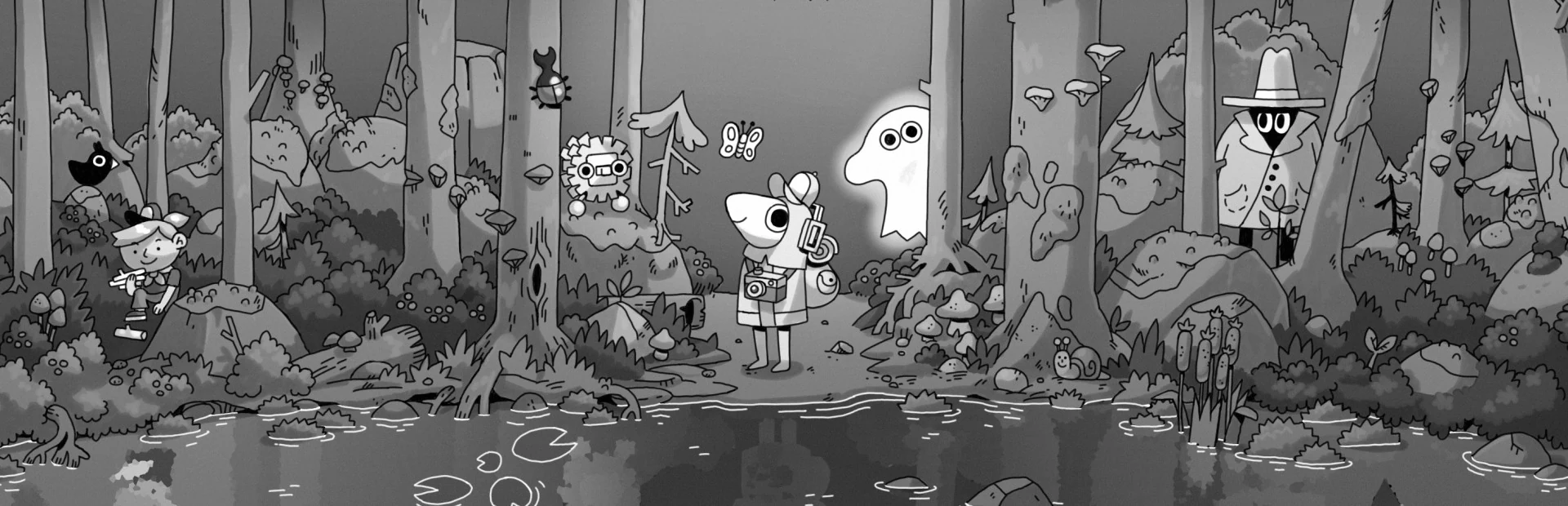
TOEM makes a small world worth examining by giving observation a practical purpose. Its camera transforms overlooked corners into destinations, and the monochrome scenes stay readable while offering plenty to notice.
TRAVEL NOTES
Game facts
- Developer
- Something We Made
- Publisher
- Something We Made, popagenda
- Released
- 17 September 2021
- Platforms
- Windows · macOS · Linux (Steam edition)
- Model
- Paid game
- PEGI
- 3 — Nintendo Switch edition; not a separate PC classification
- Players
- Single-player
- Length
- Short
- Difficulty
- 1 / 5 · Gentle
- Steam Deck
- Verified
PEGI source ↗ · Steam Deck status source ↗
Edition: Base game
The score, explained
The interest and responsiveness of the core decisions and actions.
How progression, exploration and goals fit together.
The coherence of the visual, musical and narrative presentation.
How clearly the game explains its rules and offers useful ways to engage.
The depth of optional goals, alternative approaches and reasons to return.
The First Hours
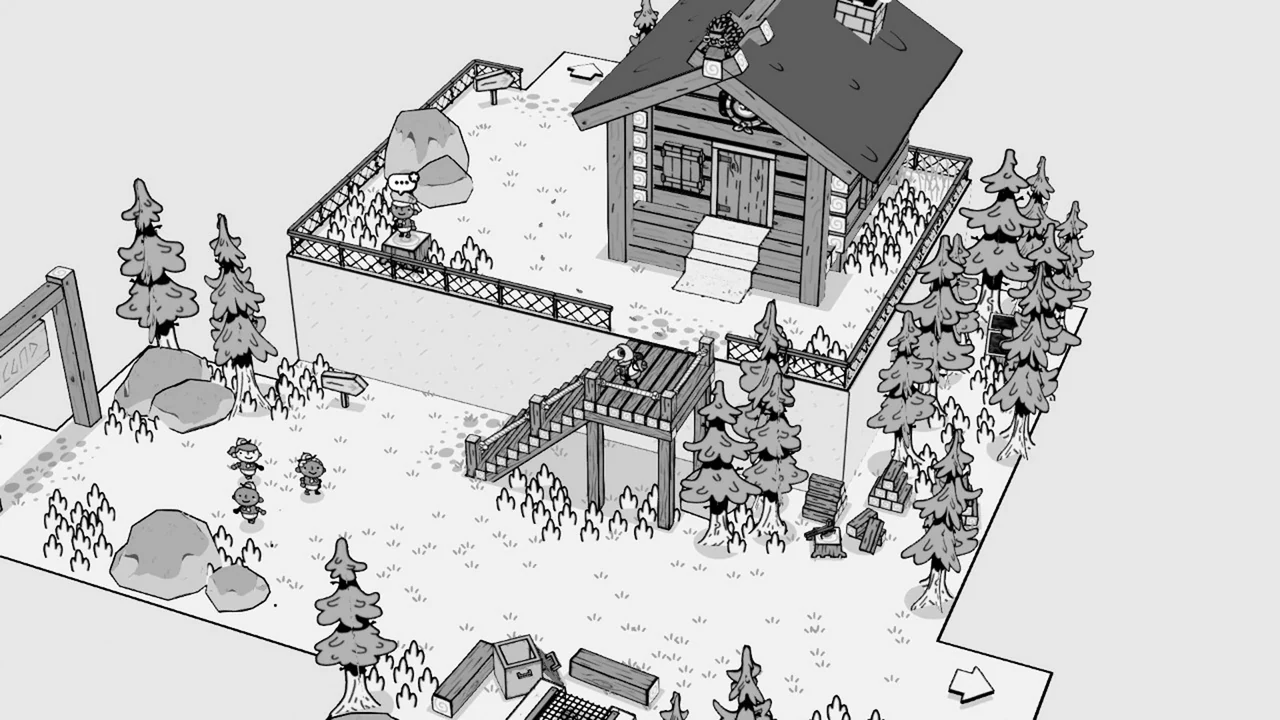
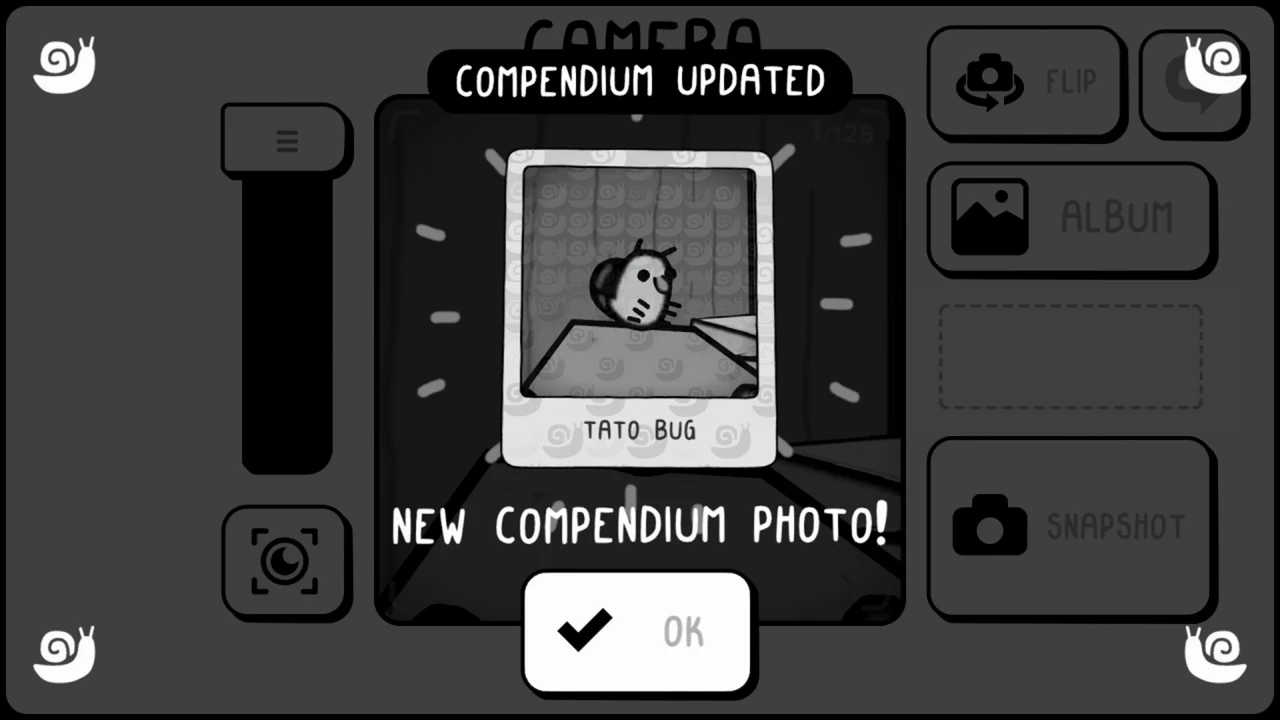
TOEM introduces travel as a series of manageable stops rather than one enormous landscape. You move around small scenes, meet their inhabitants and raise the camera when something deserves a closer look. Requests connect those photographs to progress, encouraging you to examine the environment for a subject, relationship or unusual detail. The switch between the overhead view and the camera is important: a place that seemed straightforward while walking can become a different visual problem when framed from your current position. The opening does not ask you to master complicated photographic equipment. Instead, it teaches a habit of looking again. An animal, sign or partly obscured object may be more useful than the most prominent landmark, and the next discovery can be very close to where you are already standing.
Why It Works
The small scale helps its observational puzzles remain inviting. Because an area can be understood as a whole, a new request usually suggests somewhere practical to inspect rather than an exhausting search across an enormous map. Photography then gives the return visit a new purpose. TOEM's monochrome style supports this clarity by making shapes and expressions distinctive, while the inhabitants supply a playful reason to care about what the camera finds. The game also benefits from letting a photograph be both a record of something charming and a solution to a task. That is a particularly good match for a travel-themed collection. The memorable moment is often not reaching a grand new vista, but discovering that a modest scene already contains a subject you had walked past without really seeing.
Where It Stumbles
The sense of discovery is tied closely to not yet knowing what a task requires. Once the relevant subject or viewpoint has been identified, a return visit offers less uncertainty and therefore less of the original puzzle. Some clues can also leave the player scanning familiar scenery without a clear idea of what would count as a useful observation. The camera remains intentionally approachable, so it offers limited technical depth for someone who wants to experiment with elaborate photographic settings. These are reasonable limits for the chosen scale, but they matter when comparing TOEM with a larger exploration game. Its stops are small, its tasks are focused and its main journey has a clear endpoint. The appeal comes from the quality of attention encouraged within that modest frame.
Who Should Play It
TOEM is a good choice when a journey should leave room for looking rather than constant fighting. It suits a player who enjoys finding small jokes, recognising a subject from a clue and taking a moment to inspect a scene from another angle. The compact areas and approachable controls make it a useful change of pace from larger adventures. Choose it for an attainable trip with a strong visual identity, rather than a sprawling world you expect to inhabit indefinitely. It will be less satisfying if the desired reward is a stream of new abilities or increasingly complex simulation. Here, the camera is enough to make travel meaningful: each destination asks what you notice, and progress follows from turning that attention into a photograph that somebody actually needs.
The verdict
TOEM makes a small world worth examining by giving observation a practical purpose. Its camera transforms overlooked corners into destinations, and the monochrome scenes stay readable while offering plenty to notice.
Reasons to play
- Photography changes the way familiar scenes are read
- Compact areas make searching approachable
- Quirky subjects give each stop a recognisable character
Reasons to think twice
- Many discoveries lose their mystery once solved
- Its modest scale is central to the experience
See the game
Assist & accessibility
Parents’ guide
Players: Single-player. No in-game purchase marker in the checked Steam listing. Separate downloadable content may be sold.
Age classification: 3. Nintendo Switch edition; not a separate PC classification
A useful starting tip
Treat each character's request as a clue about what to observe, then look beyond the most obvious subject before taking the photograph.
A different direction
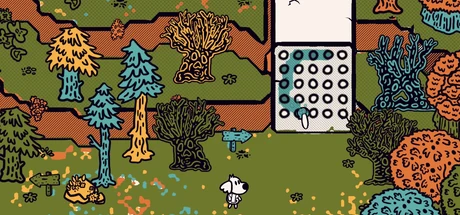
Compare this with Chicory: A Colorful Tale: Chicory makes a landscape feel personal by letting you change its appearance and use those changes to explore. Its brush connects creativity, traversal and a story about artistic pressure with unusual warmth.
Official sources
Reviewed: November 2026
You might also like
 TUNICRead review →
 Ori and the Will of the WispsRead review →
 Chicory: A Colorful TaleRead review →