
THE DESTINATION / Platformer
GRIS
GRIS gives a short journey a strong visual progression, using colour and changing movement to make each region feel like another stage of an emotional landscape. It is best approached for atmosphere and composition rather than sustained mechanical challenge.
TRAVEL NOTES
Game facts
- Developer
- Nomada Studio
- Publisher
- Devolver Digital
- Released
- 13 December 2018
- Platforms
- Windows · macOS (Steam edition)
- Model
- Paid game
- PEGI
- 7 — Nintendo Switch edition; not a separate PC classification
- Players
- Single-player
- Length
- Short
- Difficulty
- 2 / 5 · Approachable
- Steam Deck
- Verified
PEGI source ↗ · Steam Deck status source ↗
Edition: Base game
The score, explained
The interest and responsiveness of the core decisions and actions.
How progression, exploration and goals fit together.
The coherence of the visual, musical and narrative presentation.
How clearly the game explains its rules and offers useful ways to engage.
The depth of optional goals, alternative approaches and reasons to return.
The First Hours
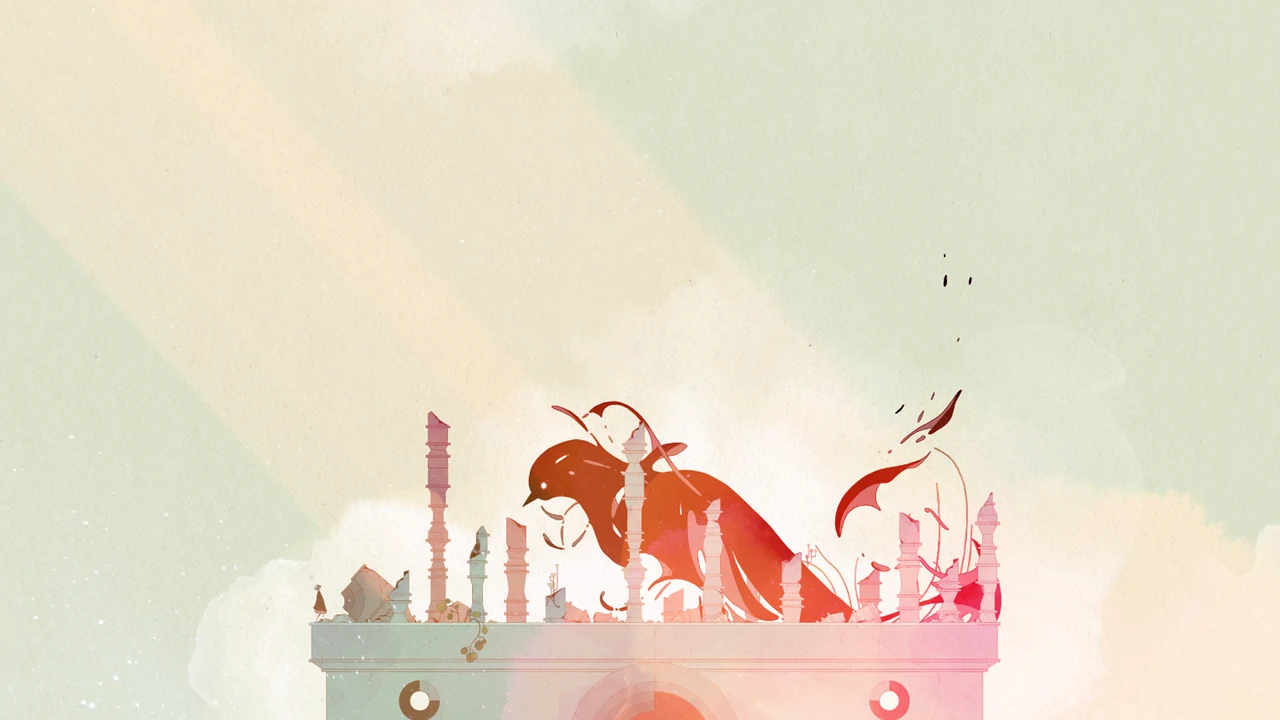
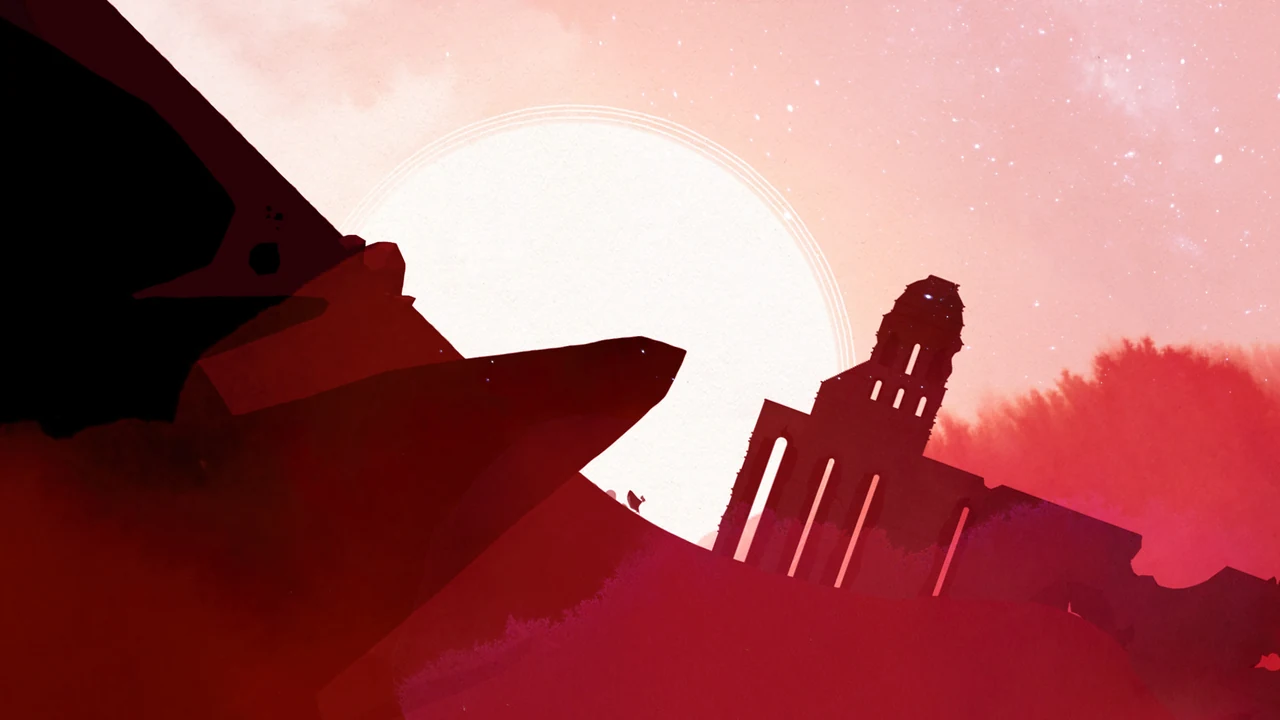
GRIS begins with fragility, space and a world whose appearance communicates more than dialogue. Movement through the opening scenes is deliberately simple, allowing the changing shapes and compositions to establish the tone before additional abilities broaden the interaction. Platforming and light environmental puzzles give the journey a practical rhythm, but they do not compete with the presentation through constant combat. Colour becomes an important part of how progress is perceived. A region can feel transformed not only because a route has opened, but because the visual language itself has developed. The opening therefore sets a clear expectation for this atlas: the player is travelling through an expressive landscape, and understanding the journey depends partly on how those landscapes are arranged, animated and connected rather than on following a conventional spoken explanation.
Why It Works
Its strongest design decision is restraint. The journey has enough movement and puzzle solving to make the environments participatory, while avoiding systems that would repeatedly pull attention into menus or numerical planning. New abilities also let the protagonist's relationship with the scenery develop, giving a visual transformation something practical to accompany it. Compositions often use scale effectively, making the traveller seem small within a larger architectural or natural form. Sound and animation support those moments without requiring a direct explanation of what each image should mean. GRIS consequently feels cohesive as a scenic adventure. Its presentation is not an ornamental layer placed over an unrelated activity; the way spaces appear, change and are crossed supplies much of the substance that the player has come to experience.
Where It Stumbles
The trade-off is that the mechanical layer remains relatively light. Readers who want a platform game to keep demanding new techniques may find that its puzzles and movement challenges do not sustain that particular appetite. The indirect narrative can also feel emotionally suggestive without providing the clarity of a character-led story with explicit events and dialogue. Whether that openness is satisfying depends heavily on how you respond to its images. Revisiting the journey offers another opportunity to appreciate the composition, but it does not produce the changing systems or strategic possibilities of a more replay-oriented game. GRIS should therefore be chosen with its intended scale in mind. The visual progression is a central reward, and the surrounding interaction is designed to support that progression rather than overwhelm it with complexity.
Who Should Play It
Choose GRIS when you want a compact journey in which the appearance of a place is part of what the game is saying. It is particularly suitable if music, animation and visual composition can make simple movement feel worthwhile. The lighter challenge offers a useful alternative to the demanding platform adventures elsewhere in this collection, although it does not make the emotional material entirely light. It is a weaker recommendation for someone who needs extensive systems, a highly explicit plot or many radically different return visits. The appeal is closer to following a carefully arranged sequence of changing environments. If that sounds like a complete experience rather than a prelude to a bigger game, GRIS can provide a memorable destination without needing to make the journey unnecessarily long.
The verdict
GRIS gives a short journey a strong visual progression, using colour and changing movement to make each region feel like another stage of an emotional landscape. It is best approached for atmosphere and composition rather than sustained mechanical challenge.
Reasons to play
- Colour changes give the journey a clear visual arc
- Movement abilities connect the protagonist to the scenery
- A focused length supports the wordless presentation
Reasons to think twice
- Puzzles offer limited depth for systems-focused players
- The narrative leaves interpretation largely with the player
See the game
Assist & accessibility
Explore the available settings and control options on the official game page before choosing your setup.
Parents’ guide
Players: Single-player. No in-game purchase marker in the checked Steam listing. Separate downloadable content may be sold.
Age classification: 7. Nintendo Switch edition; not a separate PC classification
A useful starting tip
When a new ability appears, look again at the shape and movement of the environment before searching for an explicit instruction.
A different direction
Compare this with Neva: Neva uses its changing companion relationship to give a visually striking journey direction. The landscapes are memorable because movement, danger and the wolf's growth keep altering how the two travellers occupy them.
Official sources
Reviewed: November 2026
You might also like
 TUNICRead review →
 Ori and the Will of the WispsRead review →
 Chicory: A Colorful TaleRead review →