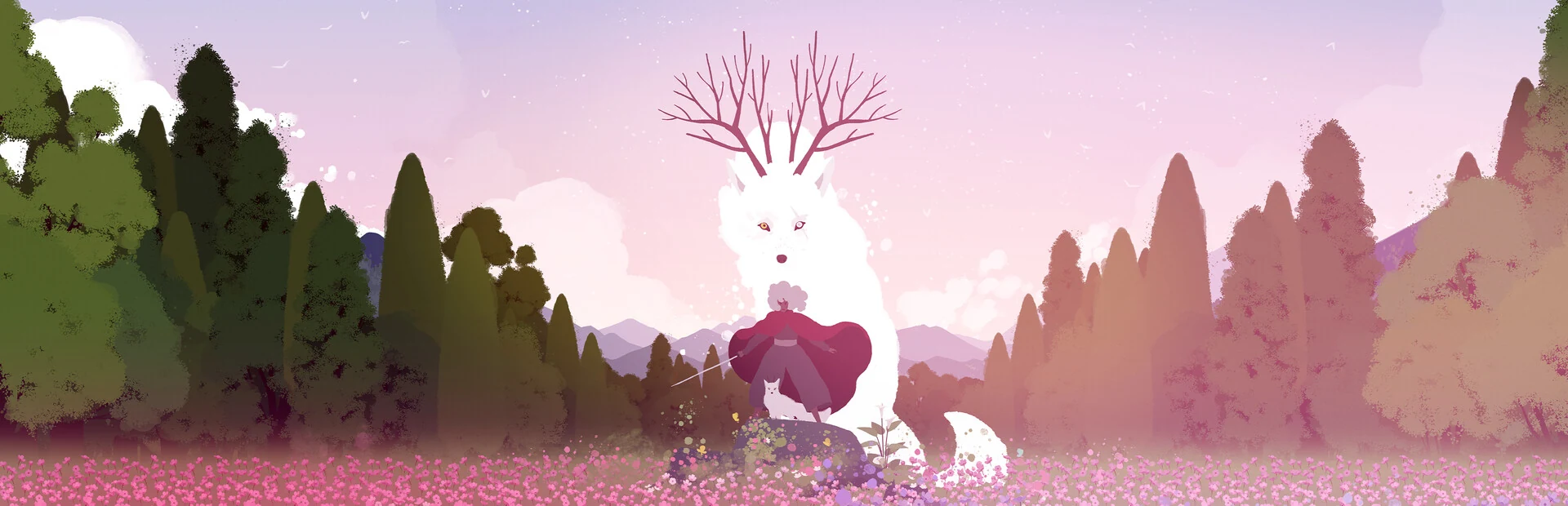
THE DESTINATION / Action adventure
Neva
Neva uses its changing companion relationship to give a visually striking journey direction. The landscapes are memorable because movement, danger and the wolf's growth keep altering how the two travellers occupy them.
TRAVEL NOTES
Game facts
- Developer
- Nomada Studio
- Publisher
- Devolver Digital
- Released
- 15 October 2024
- Platforms
- Windows · macOS (Steam edition)
- Model
- Paid game
- PEGI
- 12 — Nintendo Switch edition; not a separate PC classification
- Players
- Single-player
- Length
- Short
- Difficulty
- 2 / 5 · Moderate
- Steam Deck
- Verified
PEGI source ↗ · Steam Deck status source ↗
Edition: Base game
The score, explained
The interest and responsiveness of the core decisions and actions.
How progression, exploration and goals fit together.
The coherence of the visual, musical and narrative presentation.
How clearly the game explains its rules and offers useful ways to engage.
The depth of optional goals, alternative approaches and reasons to return.
The First Hours
Neva introduces Alba and a young wolf within a world where beauty and danger are closely connected. Travelling together means paying attention to the companion as well as the route ahead, while platforming and combat keep the journey from being only a procession of images. The wolf's development is important to the structure: the relationship does not remain fixed as the world changes around it. Early passages establish the sense of responsibility that gives later movement its emotional context. In an atlas of remarkable game worlds, that is a useful distinction. A forest or open landscape matters not only because of its composition, but because you are crossing it with someone whose capabilities and place beside you will not always be the same as they were at the beginning.
Why It Works
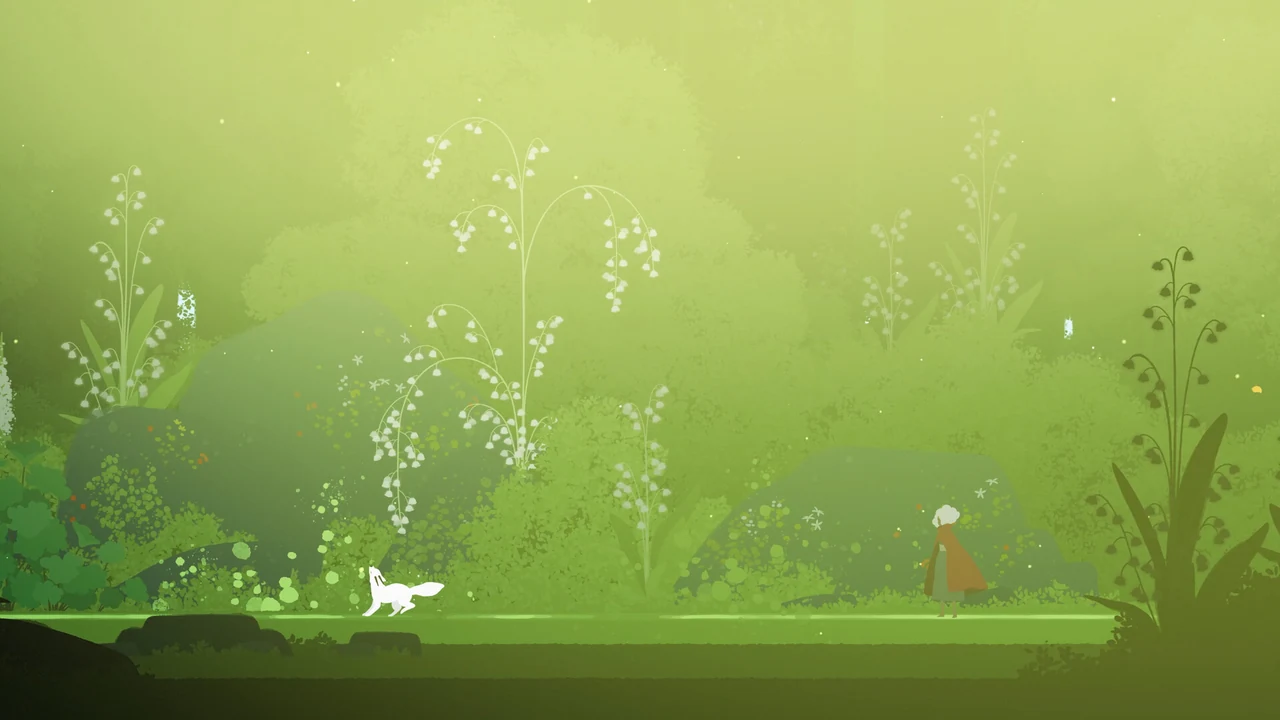
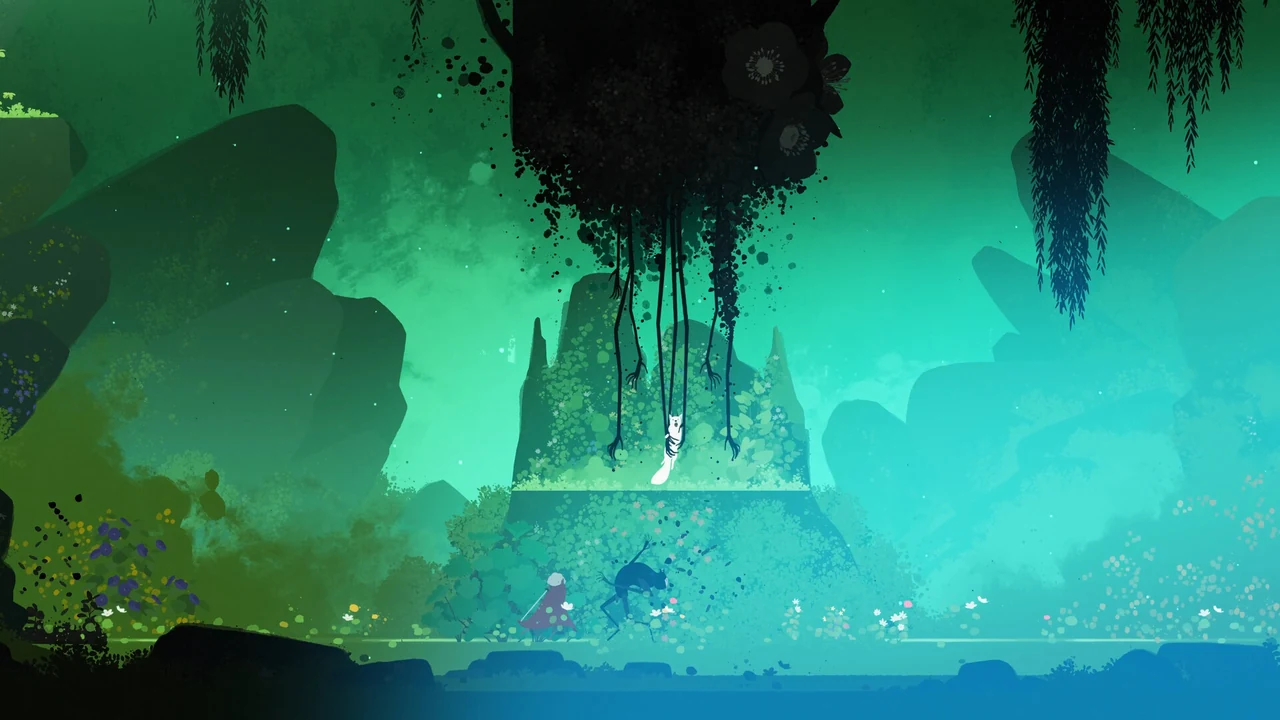
The companion gives the visual journey continuity. Changing scenery can mark progress, but the evolving relationship provides a more personal way to feel the passage through those spaces. Movement and danger also prevent that relationship from existing only in cutscenes. The route asks the pair to continue together, making a practical action carry some of the story's weight. Strong silhouettes, shifts in scale and the contrast between natural beauty and hostile forces give the environments a clear dramatic identity. Neva is most effective when these elements reinforce one another, so that reaching another landscape also means understanding the partnership differently. Its contribution here is not a vast quantity of locations. It is a succession of places whose visual changes and playable demands make sense within the same developing bond.
Where It Stumbles
The emotional premise is not incidental to the experience. Danger, vulnerability and loss are part of what gives the relationship force, so a reader seeking only soothing scenery should consider that distinction before choosing it. The combat and traversal also place practical demands between important story moments, even though the game is not built around extensive equipment customisation. Players who prefer to define their own character build may find the journey comparatively directed. Its strong visual communication can likewise leave some meaning open to interpretation rather than spelling out every development through dialogue. Those choices support a focused adventure, but they narrow the audience. Neva works best when the changing relationship is enough to sustain interest, rather than when you expect a large collection of independent systems beneath the beautiful presentation.
Who Should Play It
Neva is worth considering if a companion can make travelling through a world feel different from exploring it alone. It suits players who appreciate expressive animation and environmental storytelling, while wanting movement and confrontation to remain part of the experience. The emotional subject matter is a more important selection criterion than the apparent gentleness of the images. Choose it when you are comfortable following a directed story about care and change, and when a relatively focused set of actions can support that story for you. It is less suitable as a substitute for a broad role-playing system or an entirely peaceful visual escape. Its recommendation rests on the connection between relationship and landscape: the journey is memorable because neither the world nor the travellers' relationship stands still.
The verdict
Neva uses its changing companion relationship to give a visually striking journey direction. The landscapes are memorable because movement, danger and the wolf's growth keep altering how the two travellers occupy them.
Reasons to play
- The companion's development changes the journey's emotional centre
- Landscapes support the story through strong visual progression
- Traversal and combat keep the relationship connected to action
Reasons to think twice
- Danger and loss are central themes
- Readers seeking extensive character-build systems should look elsewhere
See the game
Assist & accessibility
Parents’ guide
Players: Single-player. No in-game purchase marker in the checked Steam listing. Separate downloadable content may be sold.
Age classification: 12. Nintendo Switch edition; not a separate PC classification
A useful starting tip
Notice how the companion's changing role affects your approach to a situation rather than treating every encounter as the same partnership.
A different direction
Compare this with GRIS: GRIS gives a short journey a strong visual progression, using colour and changing movement to make each region feel like another stage of an emotional landscape. It is best approached for atmosphere and composition rather than sustained mechanical challenge.
Official sources
Reviewed: November 2026
You might also like
 TUNICRead review →
 Ori and the Will of the WispsRead review →
 Chicory: A Colorful TaleRead review →